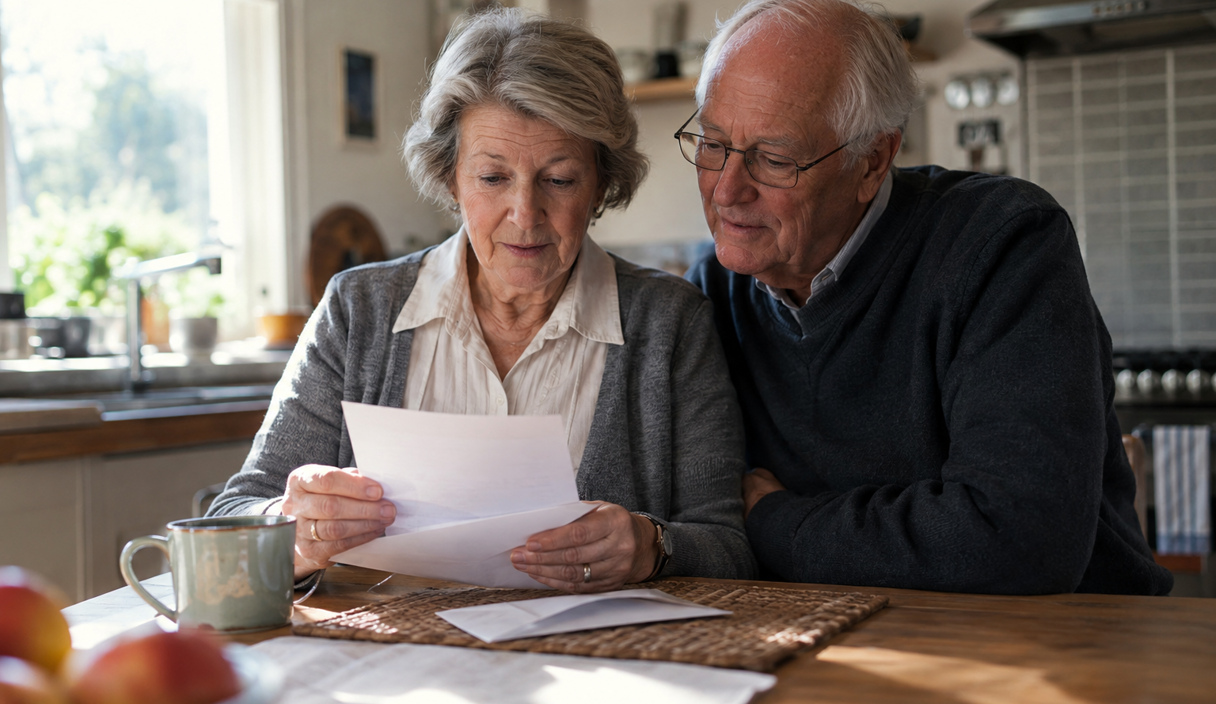
What a Social Security scam is
Social Security scams reach people by phone, mail, email, text and social media, and in every version the sender claims to work for the Social Security Administration (SSA) or its Office of the Inspector General (OIG). The goal is to get your money, your Social Security number or access to your accounts. The SSA is not the author of these messages. Its name is borrowed because people trust it and depend on it.
The SSA says on its scam page that a scammer may use the name of a person who really works at the agency and may send a picture or an attachment as “proof.” In its March 2025 Slam the Scam announcement, the agency said Social Security impersonation remains one of the most common government impostor scams reported to the Federal Trade Commission.
The losses are large. The FTC reported in June 2026 that people lost about $920 million to government impersonators in 2025, up from $789 million in 2024. That figure covers every agency being impersonated, not only Social Security.
The broader pattern, with the same tricks used for banks, companies and relatives, is explained in how impostor scams work. This page stays with what is specific to Social Security: the stories scammers tell about your number and your benefits, and the rules the real agency follows.
What the real SSA never does
The SSA and its Inspector General publish a short list of things they will never do. If a contact does any of them, it is not the SSA, no matter what the caller ID, the letterhead or the badge photo shows.
According to the SSA OIG’s February 2026 alert and the SSA’s own announcements, the SSA and OIG will never:
- tell you that your Social Security number is suspended;
- threaten you with arrest, legal action or a cut in benefits unless you pay right away;
- demand immediate payment, or ask for your credit or debit card number over the phone;
- ask you to pay with gift cards, prepaid debit cards, wire transfers, cryptocurrency, cash or gold;
- offer to move your money to a “safe” account to protect it;
- promise a benefit approval or increase in exchange for information or money;
- send unsolicited attachments or direct download links.
The SSA also says that federal law enforcement and federal employees will never send photographs of credentials or badges to demand payment, and that it is illegal to reproduce them.
A suspended number is always a false story
A Social Security number does not get “suspended” for suspicious activity, a crime committed somewhere else, or anything else. The SSA lists the threat to suspend your number as a sign of a scam. If the call or message is built around a suspended number, you already have your answer, and you can hang up without needing to check anything else.
The phone call: the most common version
The typical call says there is a problem with your Social Security number and that you must act now to avoid arrest or to protect your money. The caller may already know your name, address or the last digits of your number, which makes the call feel real.
The SSA describes the tactics it sees most: caller ID made to show an official government number or even a local police number, a transfer to a supposed “law enforcement agent,” the use of real employee names, and demands for secrecy. A newer turn is the instruction to move your savings to a “protected” account or to hand cash or gold bars to a courier who comes to your door.
A government number on the screen does not settle anything either, since it can be faked, as explained in how caller ID spoofing works.
The real SSA does call people, but in limited situations. The agency said in 2025 that it ordinarily calls people who recently applied for a benefit, who already receive payments and need an update to their record, or who asked for a call. If there is a problem with your number or record, Social Security will typically mail a letter. A real call will not end with a threat or a demand to pay on the spot.
Fake letters that look official
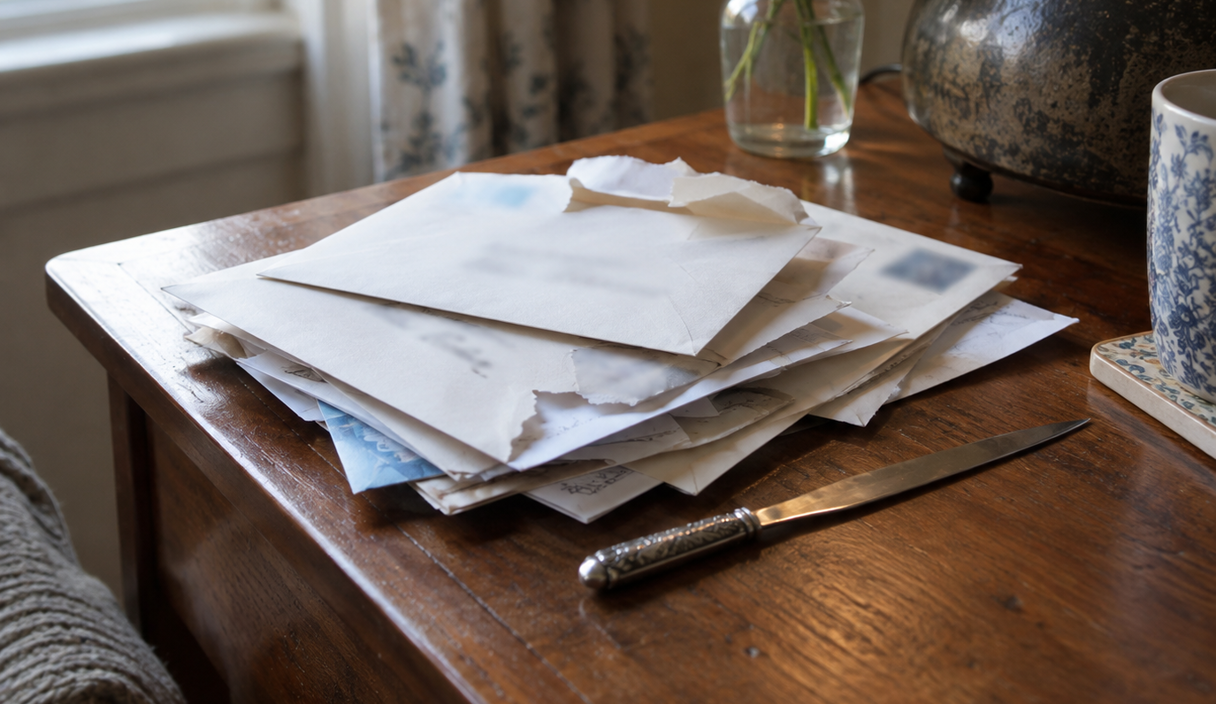
Some scammers use the mail, because a printed letter feels more official than a call. The SSA Inspector General has warned about letters made to look like real SSA letterhead that ask you to call a toll-free number to “activate” a benefit increase, such as the yearly cost-of-living adjustment (COLA).
Two facts from that alert settle most letters. The COLA is automatic for everyone who gets benefits and never needs to be activated. And if you owe money to Social Security, the agency mails you a letter with payment options and appeal rights. It does not ask for gift cards, crypto or a wire.
The OIG also describes letters and emails that use fraudulent letterhead, cite “badge numbers” or include real personal information about a fake investigation. A letter that has some of your correct details is not proof that it came from the SSA, since that information may have been bought or leaked.
To check a letter, do not use the phone number printed on it. Sign in to your account at ssa.gov, or call the SSA’s national number listed on the agency’s contact page, 1-800-772-1213, and ask whether the letter is real.
Texts, emails and social media messages
The SSA does send some texts and emails, so the channel alone does not prove a scam. What proves it is what the message asks you to do.
On its text messaging page, the SSA says it will never ask you to share personal information by text and that links in its official texts open a secure ssa.gov page. The OIG adds that the SSA will never send a text asking you to call back an unknown number.
In early 2026, the OIG warned about a surge of fake emails claiming that your “Social Security Statement” is ready to download. The link or attachment may install a harmful program or lead to a fake site that collects your personal and financial information. The OIG’s advice is to type ssa.gov/myaccount yourself instead of tapping anything in the email, and to note that official SSA emails come from addresses ending in .gov.
On social media, the SSA says it will never ask for sensitive or personal information by direct message. Fake accounts copy its images and colors, but they often have few followers, spelling mistakes, links that do not end in .gov, or offers to sell you a document the SSA gives for free, such as a replacement Social Security card.
A fake text, taken apart
This message was written by us for this page. It imitates the style of texts the OIG has warned about, without any real agency number or link.
The message: “SSA NOTICE: Your Social Security number has been flagged for suspicious activity and will be suspended within 24 hours. To avoid legal action call our enforcement department now at [number] and have your SSN ready. Reply STOP to opt out.”
What gives it away:
- “Will be suspended.” The SSA does not suspend Social Security numbers. This single phrase is enough.
- “Within 24 hours” and “legal action.” The SSA says it never threatens legal action or pressures you to act immediately.
- “Call our enforcement department now.” The OIG says the SSA will never text you to call back an unknown number.
- “Have your SSN ready.” The SSA will never ask you to share personal information by text, and a message that prepares you to read your number to someone who called you is collecting it.
- “Reply STOP to opt out.” Real SSA texts also offer STOP, so this line proves nothing either way. Scammers copy the details that make a message look routine.
The safe response is the same for every version: do not reply, do not call the number, and check through ssa.gov or 1-800-772-1213 if you are worried.
If you already paid or shared your Social Security number
Contact the company that moved the money first, then protect your Social Security record, then report. The SSA’s own scam page puts the responsibility on the criminals.
- Call the bank, card issuer, gift card company, wire service or crypto ATM operator right away, using the number on the card or its official website. Say you were tricked by someone impersonating Social Security and ask them to stop or reverse the payment.
- Stop all contact with the scammer. Block the number or email address. A later call promising to “fix” the problem or return your money comes from the same people.
- Sign in to or create your my Social Security account at ssa.gov/myaccount. The SSA says this helps secure your record and alerts you if anyone tries to change your address or direct deposit.
- If you gave out your Social Security number, place a fraud alert with Equifax, Experian or TransUnion and get a recovery plan at IdentityTheft.gov. The full order of steps is in what to do if your Social Security number is stolen.
- Call your local police if money was taken, as the SSA recommends.
- Report the scam to the SSA OIG, as described below.
Getting money back depends on how you paid and how quickly the company was told. Cash, gold, gift cards, wires and cryptocurrency are the hardest payments to trace and reverse.
How to report a Social Security scam
Report it to the SSA Office of the Inspector General at oig.ssa.gov/report, even if you did not lose anything. The SSA says these reports help it warn others, spot trends and take legal action against the people behind the calls.
The SSA’s fraud page suggests keeping as much detail as you can: a screenshot and address for fake websites or social media accounts, the whole message and its links for emails and texts, the full letter and envelope for mail, and the caller ID number and any callback number for phone calls. The OIG fraud hotline is 1-800-269-0271, 10 a.m. to 2 p.m. Eastern, Monday through Friday.
You can also report to the FTC at ReportFraud.ftc.gov and, if the scam came by email, text or online, to the FBI at ic3.gov. The order of reports when money was lost is in how to report a scam and try to recover your money.
Families who notice an older relative getting call after call can find the warning signs and local help, including Adult Protective Services, in elder financial abuse.
Social Security scam FAQ
Can my Social Security number be suspended?
No. The SSA says it will never tell you that your Social Security number is suspended, and it lists that threat as a sign of a scam. A call or message built around a suspended number is fake.
Does Social Security ever call people?
Yes, in limited situations. The SSA says it ordinarily calls people who recently applied for a benefit, who already receive payments and need a record update, or who asked for a call. A real SSA call will not threaten arrest, demand immediate payment or ask for gift cards, wire transfers or cryptocurrency.
How do I know if a letter from Social Security is real?
Do not use the phone number or link in the letter. Sign in to your my Social Security account at ssa.gov or call 1-800-772-1213 and ask. Keep in mind that the yearly cost-of-living adjustment is automatic and never needs to be activated, and that real debts to the SSA come by mail with payment options and appeal rights.
How do I know if a text from Social Security is legitimate?
The SSA sends some texts, mostly to people who signed up for them. Its official texts never ask for personal information, never ask you to call back an unknown number, and link only to secure ssa.gov pages. If you are unsure, do not tap the link: type ssa.gov into your browser yourself.
Is there a new Social Security scam right now?
The versions change, but the SSA Inspector General warned in February 2026 about a surge of fake emails saying your Social Security Statement is ready to download. The SSA also warns about calls asking you to move money to a protected account or hand cash or gold to a courier. Current alerts are on oig.ssa.gov.
Keep reading
Social Security Number Stolen? What to Do Next
The order of the first calls, what the SSA can and cannot change, and the tax and benefit risks to watch.
6 min readRead

Impostor Scams: Government, Business, and Family Impersonation Explained
One mechanism behind many scams: someone you trust, a problem invented, and a payment that cannot be undone.
7 min readRead

How to Report a Scam and Try to Recover Your Money
Where to report, in what order, what each agency does with the report, and what recovery realistically looks like.
7 min readRead