Car insurance is an agreement that helps protect you from certain financial losses connected to driving and owning a vehicle. You pay a premium to an insurer, and the insurer pays covered claims according to the policy’s limits, exclusions, and conditions. Details differ by state and policy, so a useful car insurance guide has to explain both the common structure and the places where local rules matter.
This article covers liability, collision, comprehensive coverage, uninsured motorists, medical payments, deductibles, premiums, claims, and policy reviews. It does not recommend a specific insurer or tell you what coverage to purchase. Compare the policy language and your state’s requirements before making a decision.
What is car insurance?
Car insurance is a contract between you and an insurance company. The contract describes the covered vehicle or vehicles, the people allowed to drive, the events the insurer will cover, the maximum it will pay, and the amount you must pay yourself. That amount may be a premium, a deductible, or both, depending on the claim.
Most states require drivers to carry at least some liability insurance, but the required coverage and minimum limits are set by state law. The National Association of Insurance Commissioners, or NAIC, advises consumers to check their state insurance department for local requirements and consumer guidance. The NAIC auto insurance guide is a useful starting point.
What does car insurance cover?
A policy can contain several separate coverages. They do different jobs, and buying one does not automatically create the others.
Liability coverage
Liability coverage helps pay for another person’s bodily injury or property damage when you are legally responsible for a covered accident. It generally does not pay to repair your own vehicle. A policy often shows bodily-injury limits per person and per accident, plus a property-damage limit. Those are maximums, not guarantees that every loss will be fully paid.
State minimums are a legal floor, not necessarily a measure of the assets or risks you need to protect. If a covered loss is larger than your liability limit, you may face additional financial exposure. A licensed agent or your state insurance department can explain how local rules apply.
Collision coverage
Collision coverage generally helps pay to repair or replace your vehicle after a covered collision, subject to the policy terms and deductible. A collision can involve another vehicle or an object such as a fence or pole. Collision coverage is optional in many states, but a lender or leasing company may require it while you have a loan or lease.
Comprehensive coverage
Comprehensive coverage generally applies to many losses that are not collisions. Examples can include theft, fire, hail, falling objects, vandalism, or contact with an animal, depending on the policy. It also normally has its own deductible. Comprehensive coverage does not mean every possible loss is covered, so read the exclusions and conditions.
Uninsured and underinsured motorist coverage
Uninsured motorist coverage can help when an at-fault driver has no liability insurance. Underinsured motorist coverage can help when the at-fault driver’s limits are not enough for a covered loss. Availability, required limits, and whether the coverage applies to property damage vary by state. Ask your insurer how the coverage works where you live.
Medical payments and personal injury protection
Medical payments coverage can help pay certain medical expenses for you or your passengers after a covered accident, regardless of fault, subject to the policy. Personal injury protection, often called PIP, can provide broader benefits in states that use a no-fault system. It may include medical expenses and some lost-income benefits, but the scope is controlled by state law and policy terms.
Rental reimbursement and roadside assistance
Optional add-ons may help pay for a rental car after a covered loss or provide roadside services such as towing. They are not the same as liability, collision, or comprehensive coverage. Check daily limits, total limits, waiting periods, service restrictions, and whether using a provider outside the network changes your cost.
How much does car insurance cost?
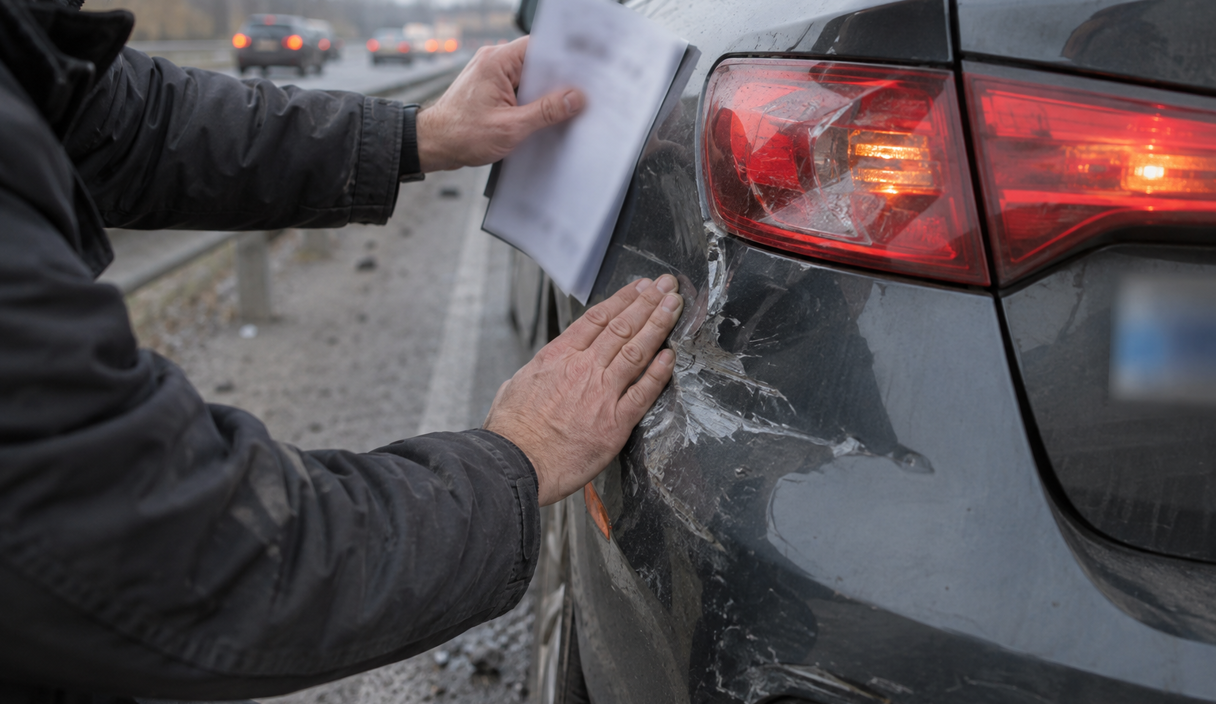
There is no single national price that tells you what your own car insurance will cost. Insurers use rating factors allowed by applicable law and their filed underwriting rules. Common factors can include location, driving history, claims history, vehicle characteristics, selected limits, deductible amounts, mileage, and the drivers listed on the policy. The exact factors and their effect vary by insurer and state.
A quote is an estimate based on the information you provide. Compare quotes using the same limits, deductibles, drivers, vehicles, and payment terms. Otherwise, a cheaper quote may simply provide less protection. The NAIC recommends comparing coverage and not price alone in its consumer auto insurance materials.
What is a deductible?
A deductible is the amount you pay toward a covered claim before the insurer pays the remaining covered amount, up to the policy limit. Collision and comprehensive coverage commonly have separate deductibles. Liability claims usually work differently because the insurer may defend and settle a covered claim without asking you to pay a property-damage deductible.
Choosing a higher deductible can reduce a premium in some policies, but it also increases the amount you would need to pay after a covered loss. Choose an amount you could realistically handle without using high-cost debt. Ask what happens when a claim involves more than one coverage.
What happens when the car is a total loss
When the cost to repair a vehicle passes the threshold the insurer uses, the insurer declares a total loss and pays what the car was worth just before the accident instead of paying for repairs. That figure is usually called actual cash value, and it reflects age, mileage, condition, and local market prices. It is not the price you paid for the car, and it is not the balance you still owe on it.
The loan is where this turns into a surprise. The Consumer Financial Protection Bureau states that standard auto insurance only pays an amount up to the value of your vehicle. If the loan balance is higher than that value, the difference remains yours to pay even though the car is gone. Guaranteed asset protection, usually sold as GAP, is an optional product intended to cover that difference when a vehicle is stolen or totaled.
Two different numbers
What the car is worth and what you owe on it are separate figures that drift apart on their own. Depreciation moves one, the payment schedule moves the other, and the policy answers only for the first. Checking the current payoff amount against a realistic value is the whole test.
A gap is more likely after a small down payment, a long loan term, a vehicle that loses value quickly, or an older loan balance rolled into a new one. If none of that applies, the loan may already sit below the value of the car, and the product would have nothing to pay. Ask whether the lease or the loan contract already includes it before buying it separately.
Total loss rules are set by state, including how the value is calculated, which taxes and fees are included, and what you can do when you disagree with the number. Ask the adjuster for the valuation report and the comparable vehicles it used. Your state insurance department can explain the appraisal or complaint process where you live.
How to compare car insurance policies
- Check your state’s requirements. Use your state insurance department or the NAIC state insurance department directory.
- List the people and vehicles. Include regular drivers, household members, financed vehicles, and any vehicle used for work.
- Set comparison points. Request quotes with identical liability limits, deductibles, optional coverages, and payment terms.
- Read exclusions and conditions. Look for excluded drivers, excluded uses, claim deadlines, appraisal rules, and rental limits.
- Verify the insurer. Your state insurance department can help you check licensing and complaint resources.
- Keep records. Save the quote, declarations page, policy, payment receipts, and claim correspondence.
What happens after a car accident?
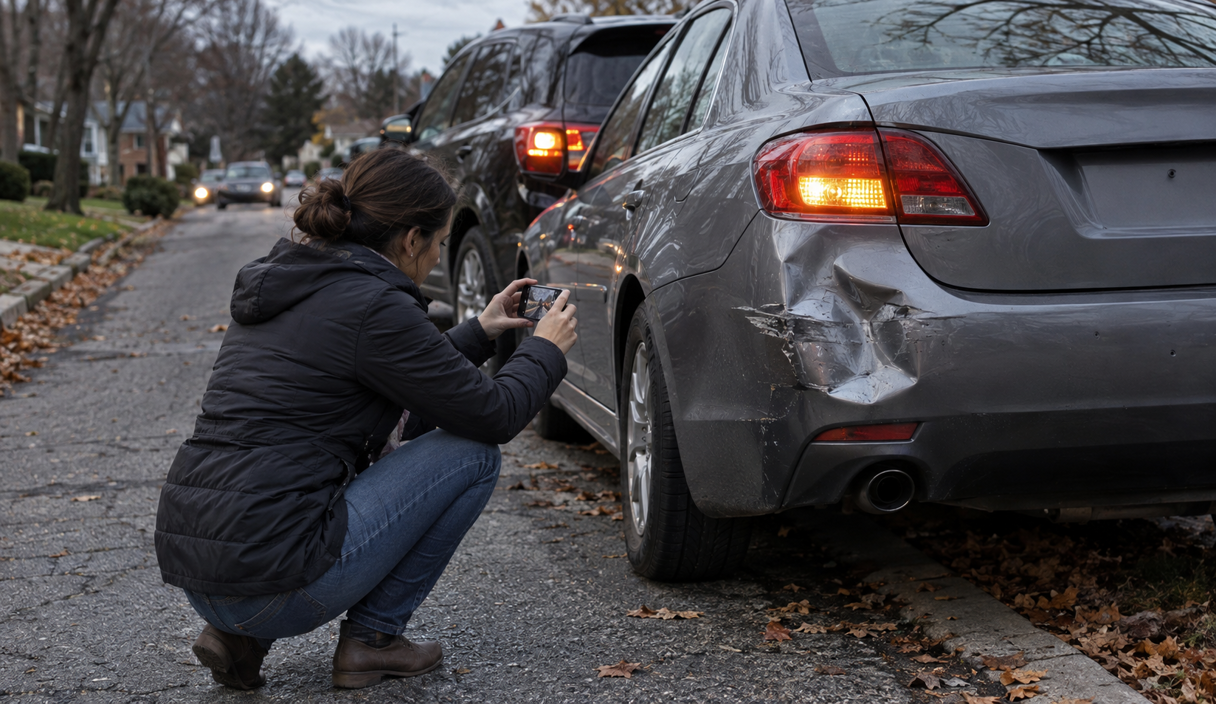
First, prioritize immediate safety and follow emergency instructions. Exchange information as required by local law, document the scene when it is safe, and report the accident to the insurer promptly. The insurer may assign an adjuster, request documents, inspect the vehicle, and determine whether the loss is covered and what it is worth under the policy.
Do not guess about facts you do not know. Give a clear account, keep copies of communications, and ask what deadlines apply. The claims process can include disagreements about fault, repair estimates, total loss valuation, or coverage. Your state insurance department can explain complaint and assistance options if you believe a claim was mishandled.
When should you review your policy?
Review your car insurance after moving, adding or removing a driver, buying or selling a vehicle, changing how you use the vehicle, refinancing, or making a major change to your finances. Also check the declarations page at renewal. Confirm that the vehicle information, listed drivers, lienholder, limits, deductibles, and discounts are accurate.
Before you renew
At renewal, compare the new declarations page with the prior one. Check whether limits, deductibles, listed drivers, discounts, vehicle use, and lender information changed. Ask the insurer to explain any change you do not understand. Keep the old policy until the new term and any claim obligations are clear. A renewal notice is not a substitute for reading the contract, especially after a move or a change in how the vehicle is used.
Keep emergency contact information, proof of insurance, and claim instructions available without relying only on the vehicle’s glove box. If documents are stored digitally, use a secure backup. Good records do not change coverage, but they can reduce confusion after an accident.
Sources consulted
- National Association of Insurance Commissioners: Auto Insurance
- National Association of Insurance Commissioners: Insurance basics
- NAIC: State insurance department directory
- Consumer Financial Protection Bureau: What is guaranteed auto protection (GAP) insurance?
Frequently asked questions
Is car insurance required?
Most states require some form of financial responsibility, often including liability insurance. The exact requirement differs by state. Check your state insurance department for the current rule before driving.
Does liability insurance cover my own car?
Liability coverage generally addresses injury or property damage you cause to others when you are legally responsible. It generally does not repair your own vehicle. Collision or comprehensive coverage may apply to your vehicle, depending on the loss.
Is a higher deductible always better?
No. A higher deductible may lower a premium in some cases, but it increases your share of a covered claim. Compare the savings with the amount you could pay after a loss.
Can I change car insurance companies?
Policies can often be changed, but check cancellation terms, refund rules, lender requirements, and the start date of the new policy. Avoid any gap in required coverage.
Can car insurance cover a rental car?
Some policies include rental reimbursement after a covered loss, while others offer it as an optional coverage. Limits, eligible events, and daily amounts depend on the policy.
Keep reading

Homeowners Insurance: Coverage, Costs, Deductibles, and Common Exclusions
Homeowners insurance can protect a home, belongings, and household finances from certain covered losses.
6 min readRead

Umbrella Insurance: What It Covers, How Much It Costs, and Who Needs It
A practical explanation of umbrella liability coverage, limits, exclusions, and how to compare policies.
6 min readRead

Renters Insurance: What It Covers, What It Costs, and Whether You Need It
A plain-English guide to personal property, liability, additional living expenses, deductibles, exclusions, and claims.
6 min readRead