Umbrella Insurance: What It Covers, How Much It Costs, and Who Needs It
Umbrella insurance is extra liability coverage that can apply after the limits of an underlying policy are used. It may protect assets and future income from certain large claims, but it does not cover every loss. This guide explains how umbrella insurance works, which policies it usually sits above, common exclusions, how to compare a quote, and when the coverage may be worth considering.

What is umbrella insurance?
Umbrella insurance is a type of personal liability coverage. It is designed to add a layer above certain limits in an underlying policy, such as homeowners, renters, auto, or boat insurance. If a covered liability claim is larger than the underlying limit, an umbrella policy may pay the covered amount that remains, up to its own limit.
The National Association of Insurance Commissioners explains that liability coverage can help when an insured person is legally responsible for another person’s injury or property damage. Umbrella insurance does not decide who is responsible, and it does not turn every accident into a covered claim. The policy’s definitions, exclusions, and conditions control.
Umbrella coverage is not the same as insurance for your home, car, health, or belongings. It usually does not repair your own damaged property. Its main purpose is liability protection, including certain legal defense costs, when the contract applies.
A simple example
A driver causes a covered crash and a judgment exceeds the auto liability limit. The auto policy responds first. An umbrella policy may respond to the covered amount above that limit, but only if the umbrella contract, underlying policy, exclusions, and required limits all fit the claim.
What umbrella insurance may cover
Coverage differs by insurer and state, but personal umbrella policies commonly focus on large third-party liability claims. Examples can include serious injuries after a covered auto accident, an injury on property you own or rent, or certain incidents involving a boat or recreational activity. These are examples of claim types, not promises that a particular loss will be paid.
An umbrella policy may also include personal liability risks that are not identical to the underlying policy, such as certain personal injury claims. “Personal injury” in an insurance contract can mean offenses such as libel, slander, or wrongful eviction, rather than bodily injury. Ask the insurer for the definition instead of relying on the label.
Some policies provide worldwide coverage for certain incidents, but location, legal process, and exclusions can matter. If you travel, own property in another state, rent it to others, or have a business activity, disclose those facts before buying. A policy written for a simple household may not fit a more complex risk.
Legal defense
Liability insurance can involve attorneys, court costs, and settlement decisions. An umbrella policy may help with defense after an eligible claim, but the contract decides how defense costs affect the limit. Ask whether defense costs are inside or outside the limit, who chooses counsel, and what happens when an underlying insurer denies a claim.
What umbrella insurance usually does not cover
Umbrella insurance is not a substitute for professional liability insurance, business insurance, workers’ compensation, or health coverage. A business operated from home, paid advice, rental activity, or a paid service may need different coverage, and the U.S. Small Business Administration lists the common commercial policy types by the risk each one addresses. Tell the insurer about income-producing activities instead of assuming personal coverage applies.
Policies often exclude intentional acts, damage to your own property, certain contracts, and claims connected to excluded vehicles, watercraft, or activities. They may also restrict coverage for certain types of pollution, war, communicable disease, or illegal conduct. The exact wording and endorsements matter, so read the exclusions and ask for examples.
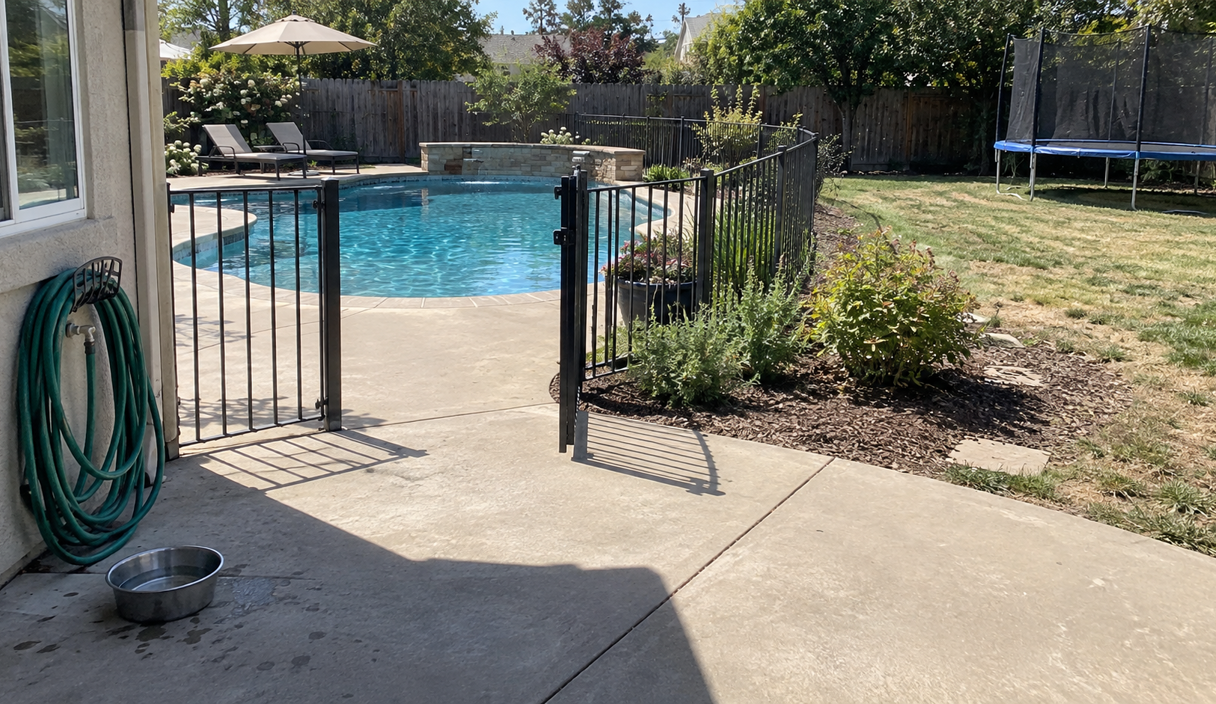
Some insurers restrict coverage for specific dog breeds, animals, trampolines, pools, firearms, vacant property, or properties used for short-term rental. The existence of an exclusion does not mean every insurer uses the same wording. It does mean you should disclose the risk and get the answer in writing.
Umbrella insurance also cannot prevent an accident or guarantee that an asset will be protected. A lawsuit can still create stress, costs, and practical decisions even when coverage exists. Insurance is one part of risk planning, not a complete legal shield.
Underlying limits and requirements
Umbrella insurers commonly require minimum liability limits on the auto, home, renters, or boat policies underneath. The reason is simple: the underlying policy is expected to respond first. If you lower that limit, allow a policy to lapse, or choose an underlying policy the umbrella does not recognize, you may create a gap where you expected coverage.
Ask for the required limits in writing. Check each vehicle and property, including a newly purchased vehicle or a home in another state. Ask how the policy treats uninsured or underinsured motorist coverage, rental properties, and a household member who drives a car not listed on your policy.
Maintain the underlying policies and keep proof of insurance. The NAIC consumer resources recommend understanding coverage and working with your state insurance regulator when you have a question about insurance. An umbrella carrier may ask for declarations pages before issuing or renewing the policy.
Do not raise limits only because a quote requests it without comparing the total cost and protection. The stronger underlying limits can reduce the chance that the umbrella is reached, but they also change the premiums and deductibles in the policies below.
If a judgment is larger than every policy you have
An umbrella limit is still a limit, and a court is not bound by it. If an award is larger than the underlying policy and the umbrella together, the remainder is the household’s problem. That is the honest reason to read the limit before an accident rather than after one.
Most claims of this kind are civil cases, not criminal ones. The federal judiciary describes a civil case as a dispute in which one party asks a court to order a remedy, usually money, and most disputes between private parties are heard in state courts under state law. Collecting on a judgment is a separate stage after the decision, and state law decides what a creditor may reach and what is protected.
Two practical points come out of that. Raising an umbrella limit usually costs much less per dollar of coverage than raising the first layer of liability on a home or auto policy, because the umbrella responds only after the underlying limit is exhausted, so a larger limit is often a small part of the total premium. And coverage is not the only tool: ask a licensed professional about the exposures you actually have, such as a household teen driver, a rented unit, a pool, or a boat, instead of picking a number because it sounds large.
Insurance also does not remove the duty to answer legal papers on time. A default judgment entered because nobody responded can be harder to undo than a defended claim, and the insurer needs notice early enough to mount a defense. Notice first, then everything else.
How to compare umbrella insurance
- List the exposures. Consider vehicles, property, household drivers, watercraft, pets, pools, rentals, volunteer roles, and activities that create responsibility for other people.
- List assets and future income. This is not a valuation of what a court would reach. It is a way to explain your situation to a licensed professional without hiding important facts.
- Check the underlying policies. Note the insurer, liability limits, named insureds, covered vehicles, properties, and renewal dates.
- Read the umbrella definition. Look for who is insured, what counts as an occurrence, how defense works, and what exclusions apply.
- Ask about gaps. Ask how the policy treats rentals, a side business, a teen driver, a new residence, a dog, a boat, and claims outside the United States.
- Compare limits and self-insured retention. Some claims may require you to pay a retained amount before the umbrella responds, especially when the underlying policy does not cover the claim.
- Verify licensing and complaint options. Use your state insurance department to find the regulator and understand the complaint process.
Price alone is a poor comparison. A lower quote may have a smaller limit, more exclusions, a higher retention, or stricter requirements. Ask for the full quote, endorsements, exclusions, and underlying policy conditions.
Claims, lawsuits, and legal defense
If an event may lead to a claim, notify the underlying insurer and umbrella insurer according to each policy’s instructions. Do not wait for a lawsuit to arrive. Preserve documents, photographs, notices, and contact information. Do not admit legal responsibility or promise payment without understanding the claim process.
If you receive legal papers, follow the deadline on the papers and contact the insurer immediately. An insurer may appoint counsel or explain how defense is handled. Keep a record of every notice and conversation. A regulator can explain how to submit a complaint, but cannot promise the outcome of a disputed claim.
Read a reservation-of-rights letter carefully if you receive one. It may explain that the insurer is investigating or defending while reserving a position about coverage. Ask questions in writing and consider qualified legal advice for a serious dispute. Prudents cannot interpret a specific policy or decide whether a court claim is covered.
Umbrella insurance FAQ
Is umbrella insurance required?
Usually it is optional personal coverage, but a lender, association, or contract may impose separate insurance requirements. Ask the relevant provider instead of assuming.
Does umbrella insurance cover my own car or home?
Its main function is liability protection for claims by other people. It is not normally a replacement for collision, comprehensive, homeowners, renters, or property coverage.
Can renters buy umbrella insurance?
Some renters can buy it, subject to the insurer’s eligibility rules and required renters liability limit. The policy must list the household and risks accurately.
Does umbrella insurance cover a side business?
Do not assume it does. Business activity is often excluded or limited. Ask about commercial general liability, professional liability, or another policy designed for the activity.
How much does umbrella insurance cost?
There is no universal price. Premiums can depend on the limit, household drivers, vehicles, properties, activities, claims history, location, and underwriting. A quote is not a guarantee of coverage.
Keep reading
Car Insurance Explained: Coverage, Costs, Deductibles, and How It Works
A practical guide to liability, collision, comprehensive coverage, deductibles, claims, and policy reviews.
6 min readRead
Homeowners Insurance: Coverage, Costs, Deductibles, and Common Exclusions
Homeowners insurance can protect a home, belongings, and household finances from certain covered losses.
6 min readRead

Life Insurance: How It Works, How Much You Need, and Term vs. Whole Life
Coverage, beneficiaries, premiums, term policies, and permanent insurance explained without the sales pitch.
6 min readRead