Debt Collection Scams: How to Verify a Debt Before You Pay
A caller says you owe money, knows part of your address, and wants payment today or something bad happens. You do not have to decide on that call. Federal rules give a real collector an obligation and you a right: a written validation notice with the creditor’s name, the amount and how to dispute it, and thirty days to dispute it in writing. A caller who will not put the debt in writing has told you what you needed to know. This guide covers what you are owed, which threats are illegal, and how to check whether the debt is real before any money moves.

How a debt collection scam works
A debt collection scam is a demand for payment on a debt the caller has no right to collect, and often on a debt that does not exist. It works by supplying two things at once: a claim you cannot immediately disprove, and a deadline that makes checking feel expensive.
The caller usually has a fragment of real information. A name, part of an address, the last four digits of an old account, an employer, a relative’s name. Data like that circulates from breaches and from lists sold between collection operations, and hearing it said out loud makes the rest of the call sound researched.
Then comes pressure. The FTC’s page on fake and abusive debt collectors lists the pattern: they want you to repay a debt you do not recognize, they refuse to give a mailing address or phone number, and they pressure or scare you by threatening to report you to law enforcement or have you arrested. Government impersonation is a large category on its own, accounting for 32,424 complaints and 797,943,193 dollars in reported losses in the FBI Internet Crime Complaint Center’s 2025 Internet Crime Report, and a fake collector claiming to work with a court or a sheriff is drawing on the same borrowed authority.
The distinction that decides this
“Is the debt real?” and “Is this caller entitled to collect it?” are two separate questions, and you need both answered yes before you pay. A real, unpaid debt sitting in your past does not make the person calling about it legitimate. Scammers work from real debt records precisely because the first question answers itself and people stop there.
The validation notice you are owed
A collector covered by federal debt collection rules has to give you validation information, in its first communication with you or within five days of it. This is the single most useful fact on this page, because a scammer will not send it.
The Consumer Financial Protection Bureau’s explanation of what a debt collector has to tell you lists what the notice must contain: a statement that the communication is from a debt collector, your name and mailing information, the collector’s name and mailing information, the name of the creditor you owe the debt to, the account number associated with the debt if there is one, an itemization of the current amount showing interest, fees, payments and credits, the current amount owed, information about how to dispute the debt, and an end date for a thirty day period in which you can dispute it.
The thirty days matter. If you dispute the debt in writing within that period, the collector has to pause collection until it responds to your request with verification. You can also ask, within that window, for the name and address of the original creditor if it differs from the current one. The CFPB’s debt collection resource covers the rule that sets these requirements, which took effect on November 30, 2021.
So the first move on any collection call is not a payment and not an argument. It is a sentence: send me the validation information in writing at my address. A real collector is required to have that ready. A fake one will change the subject, insist the offer expires today, or hang up.
The threats that are illegal
Several of the things scam collectors say are not merely aggressive. They are prohibited, and hearing them is close to a confirmation.
You cannot be arrested for an unpaid consumer debt. The CFPB states it directly: a debt collector cannot threaten to have you arrested, or have you arrested, for an unpaid debt. Its answer on arrest for an unpaid debt notes the one adjacent situation that is real: if you are sued over a debt and then ignore a court order, a judge can issue a warrant over the court order. That is a consequence of ignoring a court, not of owing money, and it never arrives as a surprise phone call demanding a gift card.
The FTC’s debt collection FAQs set out the rest. A collector cannot tell you that you will be arrested, cannot claim it will take legal action if that is not true, cannot pretend to be an attorney or from the government, and cannot say you owe a different amount than you actually owe. It cannot threaten to hurt you, use obscene language, or publicly disclose your debt. It cannot contact you before 8 a.m. or after 9 p.m. in your time zone without your permission, and under the debt collection rule it cannot call you more than seven times in a seven day period about a particular debt.
What to do when you hear one
Do not argue with the threat and do not try to talk your way out of the debt on the call. Ask for the validation information in writing, ask for the collector’s name, company, street address and phone number, then end the call. You are allowed to hang up. Write down what was said, when, and from what number, because that record is what a complaint runs on.
A real debt gets collected by scammers too
This is the part that catches careful people. The assumption behind most advice is that a fake collector calls about a fake debt, and a lot of the time that is wrong.
Debt is bought and sold. Portfolios of old accounts move between buyers, often more than once, and the files travel with names, addresses and balances. Files also leak. Anyone holding such a list can call the people on it and demand payment, and every detail they read back to you will be correct, because the debt is real. What is missing is the right to collect it and any intention of crediting the payment against the account.
Two consequences follow. First, recognizing the debt is not verification. It only answers the easier of the two questions. Second, paying the wrong party does not reduce what you owe. The money is gone, the balance stands, and the genuine creditor or collector is still out there.
Old debt has its own trap attached. The CFPB explains that statutes of limitations on debt run between three and six years in most states, though some are longer, and that a collector can still ask you to pay after that period but cannot sue or threaten to sue you once it has passed. In some states a partial payment or an acknowledgment can restart that clock, which is why paying a little to make a caller go away can be the most expensive option on the table. If you are being pressed about a very old account, get advice before you pay anything.
How to verify a debt before you pay
The goal is to answer both questions, in writing, before any money moves. None of this requires confrontation, and none of it requires you to admit or deny anything on the phone.
- On the call itself, pay nothing and confirm nothing. Do not give your Social Security number, your date of birth, a card number, or a bank account number. The CFPB’s guidance on what to do when a debt collector contacts you is to use the call to find out about the debt, and never to give sensitive financial information to the caller until you have confirmed they are legitimate. Write down the caller’s name, company, address, phone number, the creditor named, and the amount.
- Ask for the validation information in writing, at your mailing address. Say it plainly and end the call. If they refuse, that is the answer.
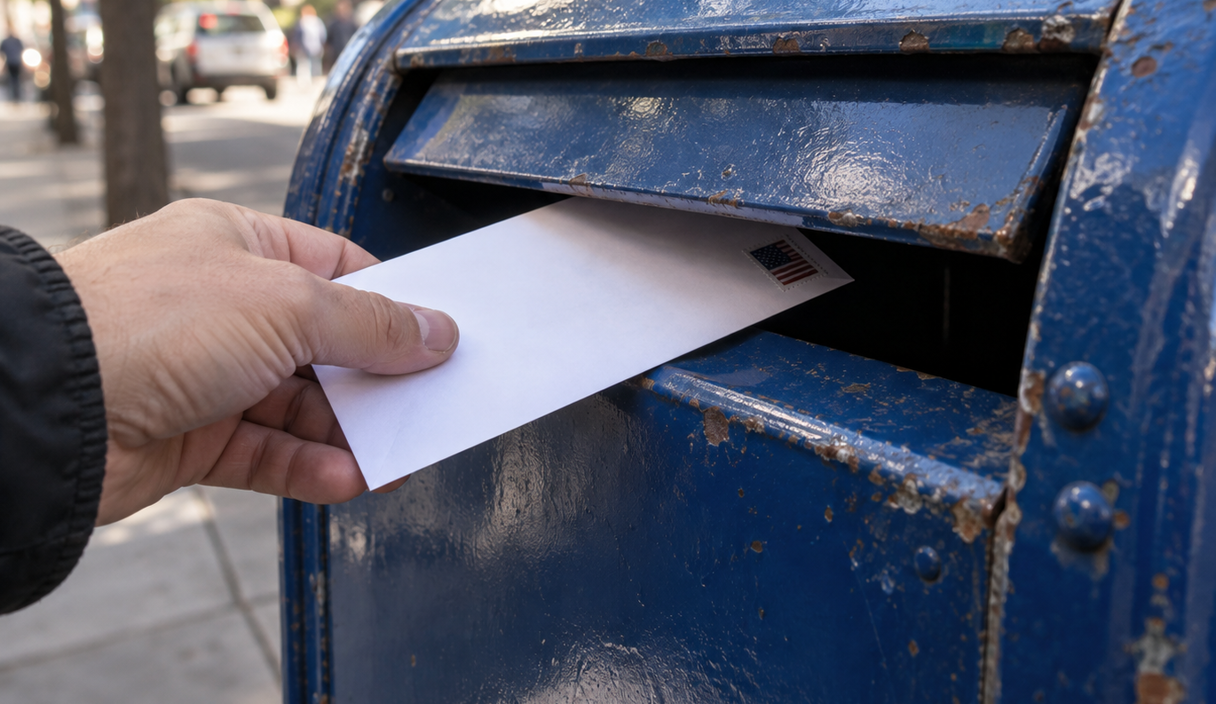
- Dispute in writing inside the thirty day window if you do not recognize the debt. The CFPB publishes sample letters for exactly this on the page above. Send it in a way that gives you proof of delivery, keep a copy, and keep the envelope. A written dispute inside that window requires the collector to pause collection until it responds with verification.
- Check your own records independently. Pull your free credit reports at AnnualCreditReport.com, the site authorized by federal law, and look for the account, the original creditor, the balance and the dates. Contact the original creditor using a number from your own statement or from its real website, never a number the caller gave you, and ask whether the account exists and who holds it now.
- Only then decide. If the debt and the collector both check out, you can negotiate or pay, in writing, with a record of what the payment settles. If either check fails, do not pay and move to reporting.
If a payment already went out on a card and you now believe the collector had no right to it, the process for challenging it is in our guide to how to dispute a credit card charge.
How they ask to be paid
The payment method is often the clearest signal in the whole encounter, because a fake collector needs money that cannot be pulled back.
Requests for gift card numbers, a wire transfer, cryptocurrency, a transfer through a payment app to a person, or cash loaded onto a card are the common ones. A legitimate collection agency is a business that takes ordinary business payments and can tell you its legal name and street address. It does not need the numbers from the back of a store gift card.
Pressure to pay immediately is part of the same mechanism. A discount that expires at the end of the call, a threat of a lawsuit being filed this afternoon, a warning that someone is being sent to your workplace: all of it exists to close the gap where you would otherwise check. A real collection account will still be there tomorrow, and a real collector will still take the money next week.
Be careful too about the request to confirm identity before they can discuss the debt. Handing over a full Social Security number, date of birth and bank details to someone who called you is the second scam hiding inside the first, and the information can be used long after the supposed debt is forgotten. If identity details have already gone out, the FTC’s free recovery service at IdentityTheft.gov builds a plan and generates the letters.
Where to report a debt collection scam
Report in more than one place, because the agencies do different jobs and a single report rarely covers all of them.
File with the Consumer Financial Protection Bureau. Debt collection is one of the categories it takes, it forwards complaints to the company, and it asks the company to respond, which is the closest thing to individual handling in the federal system.
Report to the FTC at ReportFraud.ftc.gov. The FTC’s consumer alert on debt collection rights and scams points people to the same place. Report to your state attorney general as well, since state offices handle individual consumer complaints and enforce state collection laws that can go further than the federal ones.
If you lost money, add a complaint to the FBI’s Internet Crime Complaint Center, which collects and routes internet-enabled crime reports. Our guide to how to report a scam covers the order and what each agency does with the report, and impostor scams explains the wider family this one belongs to.
What verifying a debt cannot do
Verification is the right first move, and it still leaves things unresolved. It is worth naming them.
It does not make a real debt go away. If the account checks out and the collector is entitled to collect it, the obligation is still there, and this page is not about avoiding a debt you owe. It is about not paying the wrong person and not paying under threat.
It does not undo a payment already made to a scammer. Gift cards, wire transfers, cryptocurrency and person-to-person app transfers are rarely recovered, and a card payment gives you a dispute process rather than a promised refund. Call the payment provider as fast as you can, because timing is the one variable you control, and treat anyone offering to recover the money for a fee as another scam.
It is also not legal advice. Statutes of limitations, what restarts them, wage garnishment and court procedure vary by state and by the type of debt, and the CFPB itself recommends talking to an attorney about a specific situation. If you have been served with a court paper, do not ignore it: a lawsuit answered is very different from a lawsuit ignored, and legal aid organizations exist for people who cannot pay a lawyer.
Last, if a caller like this got to you, that reflects the script and not your judgment. These calls are built from real records, delivered with real urgency, and aimed at people already worried about money.
Debt collection scam FAQ
How do I know if a debt collector is real?
Ask for validation information in writing, sent to your mailing address. A covered collector must provide it in its first communication or within five days, and it must name the creditor, itemize the amount, explain how to dispute the debt, and give the end date of your thirty day dispute period. Then verify independently: check your credit reports at AnnualCreditReport.com and contact the original creditor using a number from your own statement, never a number the caller gave you.
Can a debt collector have me arrested?
No. The CFPB states that a debt collector cannot threaten to have you arrested, or have you arrested, for an unpaid debt, and the FTC says collectors cannot claim you will be arrested or threaten legal action they will not take. The one related situation that is real is a court order: if you are sued and then ignore an order to appear, a judge can issue a warrant over that. A threat of arrest arriving by phone from a collector is a reason to stop and report.
What if the debt is actually mine?
A real debt can still be collected by someone with no right to collect it, because debt records are bought, sold and leaked. Recognizing the amount answers only half the question. Get the validation notice, confirm with the original creditor who currently holds the account, and pay only that party, with a written record of what the payment settles. Paying an impostor does not reduce the balance you owe.
Should I pay a very old debt a collector is calling about?
Not before getting advice. The CFPB says statutes of limitations on debt run between three and six years in most states and sometimes longer, and that a collector cannot sue or threaten to sue once the period has passed, though it may still ask you to pay. In some states a partial payment or an acknowledgment can restart the clock, so a small payment made to end a call can reopen years of exposure. Verify in writing first.
How do I make a debt collector stop calling me?
Send a written request to stop contacting you. Federal law requires a collector to stop contacting you after it receives a written request, with limited exceptions such as telling you it is ending contact or that it intends to take a specific action. The CFPB publishes sample letters for this. Sending it does not erase the debt and does not stop a lawsuit, so if you are unsure whether you owe the money, dispute it in writing within the thirty day window instead.
I already paid. Can I get the money back?
Sometimes, and it depends on how you paid and how fast you act. Contact the payment provider immediately: a card issuer has a dispute process, and a wire or app transfer may occasionally still be stopped if it has not been collected. Gift cards and cryptocurrency are rarely recovered. Then file with the CFPB, report at ReportFraud.ftc.gov and, if money was lost, at ic3.gov. No one can promise recovery, and anyone charging a fee to promise it is running a second scam.
Keep reading

Impostor Scams: Government, Business, and Family Impersonation Explained
One mechanism behind many scams: someone you trust, a problem invented, and a payment that cannot be undone.
7 min readRead

How to Report a Scam and Try to Recover Your Money
Where to report, in what order, what each agency does with the report, and what recovery realistically looks like.
7 min readRead

How to Dispute a Credit Card Charge: Steps, Deadlines, and Evidence
The difference between an error and a fraudulent charge, the written notice, the deadline, and what to keep.
7 min readRead