How to Dispute a Credit Card Charge: Steps, Deadlines, and Evidence
Two very different problems arrive looking the same: a charge that is wrong, and a charge you never made. Federal rules handle them differently, the deadlines are not identical, and the wrong route costs time you may not have. This guide separates a billing error from a fraudulent charge, shows what the written notice has to contain, explains what happens to the money while the investigation runs, and covers what to do if the answer comes back against you.
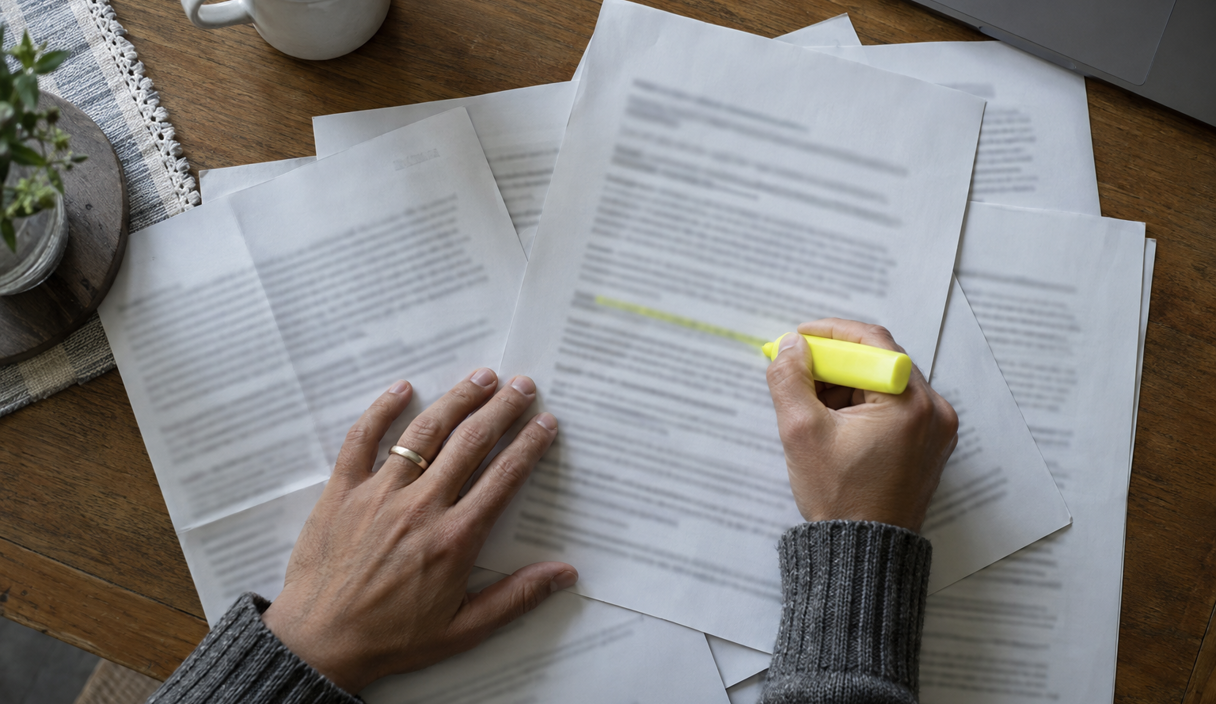
A billing error and a fraudulent charge are not the same dispute
A billing error is a charge that belongs to your account but is wrong: the amount is off, the charge is duplicated, the goods never arrived, the credit never posted. A fraudulent charge is a transaction you never authorized at all. Both are disputed through the card issuer, but the rules that protect you are different and the first phone call is different too.
For billing errors, the route is the written billing error notice described by the CFPB and the OCC. For unauthorized charges, the FTC states that federal law limits your responsibility for unauthorized charges to $50, and the CFPB adds that you are not responsible for unauthorized charges if someone stole only your credit card account number.
The distinction that decides everything else
If the charge is yours but wrong, you are asking the issuer to correct a bill, and the issuer expects you to have tried the merchant. If the charge is not yours at all, you are reporting a crime against your account, the card usually has to be closed and reissued, and there is nothing to work out with the merchant. Naming the right one on the first call saves a round trip.
A third case sits in between: a free trial that converted, or a charge from a company whose name on the statement looks nothing like its storefront. That is not fraud, and calling it fraud can get a card closed for no reason. Check the merchant name first.
Start with the merchant, unless the charge is fraud
For a billing error, contact the seller first. The CFPB says to reach out to the company that sold the product or service and explain the issue, for example that the product was defective or was not what you ordered. A merchant refund is usually faster than a dispute, and the attempt itself matters later.
It matters because of a separate right the CFPB describes as claims and defenses. If you have not fully paid for a purchase, you may be able to refuse to pay the rest when you made a good faith attempt to resolve the problem with the seller, the purchase was made in your home state or within 100 miles of your address, and the amount was more than $50. That right is built on having tried.
For a charge you never authorized, skip the merchant and call the issuer. There is no conversation to have with a business that did not sell you anything, and the same applies when the card may have been copied at a machine, which our guide to card skimming covers.

The deadline for a billing error notice
The written billing error notice has to reach the card company no later than 60 days after the statement where the error first appeared was sent. The CFPB puts it plainly: send your written notice no later than 60 days after the credit card company sent the statement where the error first appeared. The OCC says the same thing in its own words, that the notice must arrive no later than 60 days after the bank sent the first billing statement reflecting the error.
The clock runs from the statement being sent, not from the day you noticed. A recurring wrong charge is the common trap: the 60 days is counted from the first statement that showed it, so older instances of the same error can fall outside the window even when the newest one does not.
Calling is useful and fast, but the calendar protection attaches to the written notice. The FTC’s guidance is to send your letter so that it reaches the issuer within 60 days after the first bill with the error was sent to you, and to use the billing inquiry address rather than the payment address. Missing the 60 days does not always end the matter, since an issuer can still choose to investigate, but the protection you can count on is the one with the deadline attached.
What the written notice has to contain
Keep the letter short and factual: who you are, which account, which charge, and why it is wrong. The FTC says the dispute letter should include your name, address, account number, and a description of the error. The OCC adds that the notice must enable the bank to identify your name and account number and state why you believe there is a billing error.
- Identify the charge. Date, merchant name as printed on the statement, and exact amount. One letter per disputed charge is easier to track than one letter listing six.
- Say what is wrong in one or two sentences. “The item was never delivered.” “I was billed twice for the same order.” “The amount charged is higher than the amount I agreed to.”
- Say what you already did. The date you contacted the merchant, who you spoke to, and what they said. This is the record of the good faith attempt.
- Attach copies, never originals. The FTC is specific about this: include copies of receipts or other documents that support your position, and keep a copy of your dispute letter.
- Send it to the billing inquiry address printed on the statement, and use a method that produces proof of delivery.
Many issuers also accept a dispute through the app or website, and that is often the fastest way to get the investigation started. If you use the online form, save the confirmation number and a screenshot, and consider sending the written notice as well so the 60-day protection is documented.
How to report a charge you did not authorize
Call the issuer’s fraud line immediately and ask for the card to be closed and reissued. The OCC’s instruction for unauthorized credit card charges is to contact your bank right away, and it notes that you may notify the bank in person, by telephone, or in writing.
On the call, name each transaction by date and amount, ask for the card to be closed, ask what the bank needs in writing, and write down the reference number and the name of the person you spoke to. Many issuers send an affidavit of unauthorized use with its own deadline. That deadline is separate from the 60 days and missing it can stall the claim.
Then look back through recent statements. A card number that has been sold is often tested with a small charge before a large one, and the CFPB warns that these low-dollar charges are a way to test a counterfeit card before using it for big-dollar transactions. Report the small ones too. If the same information was also used to open accounts in your name, that is identity theft rather than a single bad charge, and IdentityTheft.gov is the free FTC recovery process for it.
What happens while the dispute runs
Once the issuer has your billing error notice, it has 30 days to acknowledge it and until the end of two more billing cycles to finish. The CFPB describes it as: once you point out a mistake on your bill, the credit card company has 30 days to tell you it got your letter, and it gets another two billing cycles to finish looking into your dispute. The OCC states the outer limit: the bank must investigate and resolve the issue within two complete billing cycles, but not later than 90 days, after receiving the billing error notice.
You do not have to pay the disputed amount while that runs. The CFPB is explicit: you do not have to pay the disputed fees or charges, or related finance or other charges, while the credit card company investigates your dispute, but you are still responsible for paying correct charges on time. Pay the rest of the bill normally.
Your credit standing is also protected for the disputed part. The OCC says the bank cannot make or threaten to make an adverse report about your credit standing, or report that a disputed amount or related charges are delinquent, while the investigation is ongoing. The exception it names is real and worth respecting: the creditor can report you if you fail to pay any portion of the undisputed amount due.
If a collector contacts you about a disputed charge, or about a debt you do not recognize, the verification steps in our guide to debt collection scams come before paying anything.
What to keep as evidence
Keep everything that shows what you bought, what you received, and what you did about it. Disputes are decided on documents.
- The order confirmation, invoice, or receipt, with the amount and date.
- The listing, product page, or advertisement as it looked when you bought, saved as a screenshot or PDF.
- Shipping and tracking records, and any delivery notice showing what actually arrived.
- Emails, chat transcripts, and support ticket numbers from the merchant, including the dates you wrote.
- Photos of a damaged or wrong item, taken before returning it.
- Return tracking and the return authorization, if you sent the item back.
- Your dispute letter, the mailing receipt, and the issuer’s acknowledgment.
- A short log with dates, names, and reference numbers from every phone call.
Store copies somewhere other than the merchant’s own website, because a seller who stops answering can also take down the order page. If you paid with a disposable number, keep that service’s transaction record too; our guide to virtual credit cards explains where those numbers help and where they get in the way of a return.
If the dispute is denied
A denial is not automatically the end. Ask the issuer in writing for the reason and for the documents the merchant supplied, then answer the specific point the merchant made rather than restating the original complaint.
The usual reasons are worth knowing in advance: a signed delivery confirmation, terms of sale that said final sale and that you agreed to at checkout, a notice that arrived after the deadline, or a transaction authenticated in a way the issuer treats as authorization. Each can be answered, but only with a document.
If the issuer will not reconsider, you can complain to its federal regulator. For national banks that is the OCC through HelpWithMyBank.gov, and Federal Reserve Consumer Help routes a complaint to the right agency when you are not sure who supervises your bank. Neither one acts as a court, and neither can promise a reversal, but both can get a bank to explain itself. Small claims court is the remaining route against the merchant. None of this is fast, and some disputes do end with the charge standing.
A debit card charge follows different rules
Everything above is about credit cards. A debit card transaction is governed by a different federal rule, the deadlines are different, and the money is already out of the checking account while the claim is investigated. Do not assume the 60-day billing error process applies.
For a debit card or other electronic transfer, the CFPB describes a schedule tied to reporting speed: reporting within two business days of learning about a lost or stolen card caps your responsibility at $50, later reporting can raise it to $500, and failing to report within 60 days after the statement was sent can leave you paying for everything taken after that period.
The investigation timing is different too. The OCC states that a bank can take up to 10 business days after being notified to determine whether an error occurred, and that if it cannot decide in that time it may take up to 45 days, in which case it must provisionally reimburse your account while it continues.
If the problem is broader than one transaction, for example logins you do not recognize or transfers you did not set up, treat it as an account compromise and start with our guide on what to do when a bank account has been hacked. If you are trying to decide between asking the seller and asking the card company in the first place, chargeback vs. refund covers that choice.
Credit card dispute FAQ
How long do I have to dispute a credit card charge?
For a billing error, the CFPB says to send your written notice no later than 60 days after the credit card company sent the statement where the error first appeared. The OCC describes the same window. For a charge you never authorized, report it as soon as you see it, because the issuer normally closes and reissues the card.
Do I have to pay the disputed amount while the investigation runs?
No. The CFPB states that you do not have to pay the disputed fees or charges, or related finance or other charges, while the credit card company investigates, but you are still responsible for paying correct charges on time. Pay the rest of the bill as usual.
Can the dispute hurt my credit score?
The OCC says the bank cannot make or threaten to make an adverse report about your credit standing, or report a disputed amount as delinquent, while the investigation is ongoing. The exception it names is failing to pay a portion of the undisputed amount due, which can be reported.
Should I call or write to dispute a charge?
Both, in that order. The call gets the investigation moving and gets the card closed if the charge is fraud. The written notice is what carries the 60-day protection, and the FTC says to send it to the billing inquiry address rather than the payment address.
What if I never received what I ordered?
The CFPB says it can be considered a billing error to be charged for a purchase when you did not receive what you ordered or did not accept delivery of the purchased items. Contact the seller first, keep the record of that attempt, then send the billing error notice inside the 60 days.
How long does the credit card company have to decide?
The company has 30 days to acknowledge your billing error notice. The OCC states the bank must investigate and resolve the issue within two complete billing cycles, but not later than 90 days, after receiving the notice.
Keep reading

Chargeback vs. Refund: What Each One Means and When to Use It
A refund comes from the seller, a chargeback from the card network. Using the wrong one costs time.
5 min readRead
Card Skimming: How to Spot It and What to Do Afterward
What to check at a pump or ATM in five seconds, and the steps that follow a card you think was copied.
5 min readRead

Online Shopping Scams: How to Check a Store Before You Buy
The checks that expose a fake store in a few minutes, and the payment method that protects a purchase.
6 min readRead