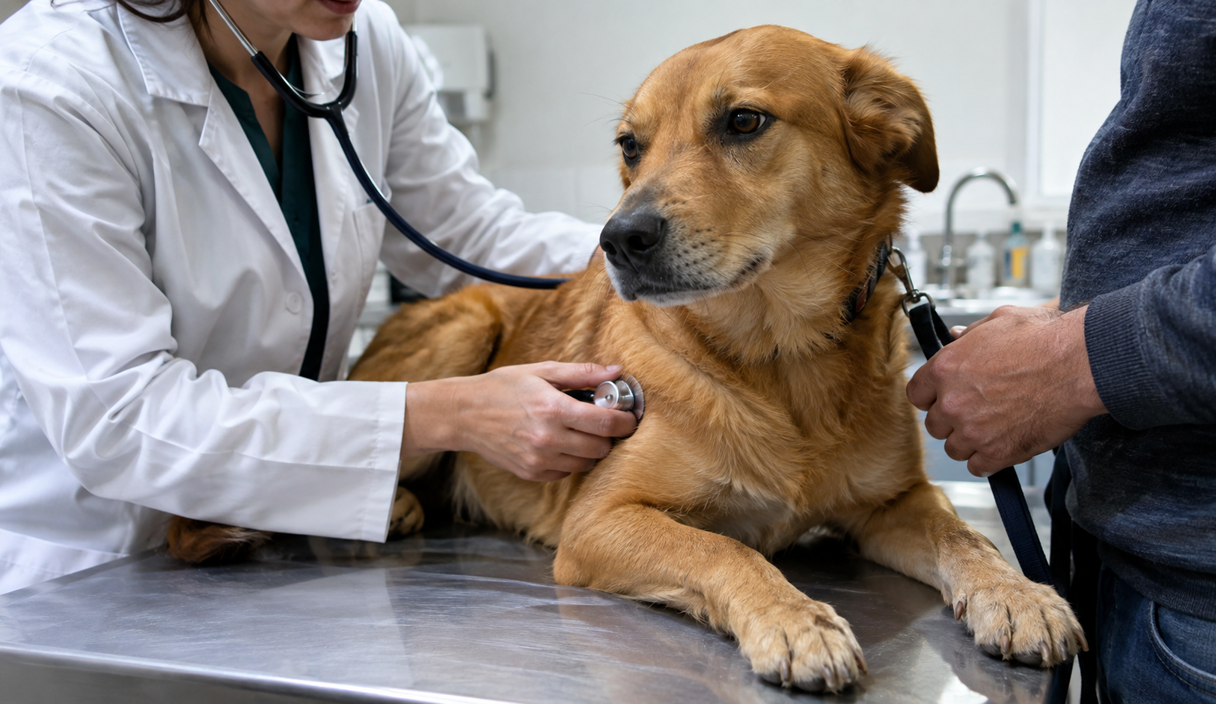
Pet insurance is a contract that may reimburse some eligible veterinary expenses after a covered accident, illness, or other event. You pay a premium and usually pay the veterinarian first. The insurer then reviews the claim under the policy’s definitions, exclusions, deductible, reimbursement method, and limits. Plans vary widely, so the name on the advertisement does not tell you what is covered.
This guide explains the structure of pet insurance for dogs and cats. It is not veterinary, financial, or insurance advice, and it does not recommend a particular insurer. Read the full policy, ask questions before enrolling, and speak with a veterinarian about medical decisions.
What is pet insurance?
Pet insurance is generally designed to help manage eligible veterinary costs. Unlike human health insurance, many pet plans work by reimbursement: you pay the provider, submit records and an itemized invoice, and receive a payment if the claim meets the contract. Some plans use different payment arrangements, so verify the process before enrolling.
Pet insurance is different from a wellness plan. A wellness plan may offer a schedule or allowance for routine services such as vaccinations or preventive visits. Accident-and-illness insurance addresses unexpected covered problems. Some companies offer both, but they may be separate products with separate prices and terms.
Types of pet insurance plans
Accident-only plans
Accident-only coverage is intended for injuries caused by covered accidents. Examples might include a broken bone after an accident or an injury from swallowing an object, depending on the contract. It generally does not cover illnesses, hereditary conditions, routine care, or pre-existing conditions.
Accident and illness plans
Accident-and-illness plans can cover a broader group of medical problems, subject to exclusions and limits. They may address diagnostics, surgery, hospitalization, medications, or specialist care when medically necessary and eligible under the policy. Coverage for hereditary, congenital, dental, behavioral, or alternative treatments varies.
Wellness add-ons
Wellness benefits may help with specified preventive care, but they are not unlimited medical coverage. Check the benefit schedule, annual allowance, per-service limits, and whether the add-on costs more than the reimbursement you can receive.
What does pet insurance cover?
Coverage depends on the policy. An eligible claim usually must involve a covered pet, covered condition, covered treatment, and treatment from an eligible provider. The policy may require the condition to begin after enrollment and after a waiting period.
Potential covered categories can include examinations related to a covered condition, diagnostic tests, surgery, hospitalization, prescription medication, and specialist care. These examples are not a promise of coverage. Ask whether exam fees, emergency visits, rehabilitation, prescription food, prosthetic devices, and behavioral treatment are included or excluded.
Pre-existing conditions
A pre-existing condition is generally a condition or symptom that existed before coverage began or during a waiting period. Many plans exclude it, even if no diagnosis was recorded at the time. The definition may include signs or symptoms, not only a formal diagnosis. Request the insurer’s definition and ask how it handles conditions that are cured or have been symptom-free. Washington’s Office of the Insurance Commissioner adds two warnings worth carrying into any state: some companies may require a veterinarian to examine the pet and certify its health before it can be insured, and a condition treated during one policy period may be treated as pre-existing when the policy renews.
Hereditary and congenital conditions
Some policies cover hereditary or congenital conditions, while others exclude them or impose special rules. Breed-related conditions may receive different treatment. Ask for examples in writing and read the exclusions rather than relying on a broad phrase such as “comprehensive coverage.”
What is usually excluded?
Common exclusions can include pre-existing conditions, routine care under a standard accident-and-illness plan, cosmetic procedures, breeding-related costs, intentional injury, experimental treatment, and conditions excluded by an endorsement. The list differs by insurer and product.
Dental coverage deserves special attention. Some policies cover dental accidents but not routine dental cleaning or periodontal disease. Likewise, a plan may cover medication only when prescribed for an eligible condition. Read the definition of covered treatment and the limitations section. The California Department of Insurance publishes the questions to ask before enrolling, including whether the policy excludes pre-existing conditions, in which case the insurer will likely not pay for treatment of any condition for which the owner received medical advice, or the pet received treatment, before enrollment.
How do deductibles, reimbursement, and limits work?
Deductible
A deductible is the amount you pay before the plan reimburses eligible expenses. A policy may use an annual deductible or a per-condition deductible. An annual deductible can reset each policy year. A per-condition deductible may apply separately to different conditions. Compare the definitions, not only the number in a quote.
Reimbursement percentage
The reimbursement percentage is the share of eligible expenses the insurer pays after the deductible and according to the contract. A 90% reimbursement rate does not mean the insurer pays 90% of every veterinary bill. The calculation may use the actual invoice, a benefit schedule, or a reasonable-and-customary limit.
Annual and lifetime limits
An annual limit caps eligible benefits during a policy year. A per-condition or lifetime limit can cap benefits for one problem or over the pet’s life. Unlimited annual coverage may still have exclusions, deductibles, and reimbursement rules. Ask whether limits reset and when.
What the invoice includes that the policy may not pay
Reimbursement is calculated on eligible expenses, not on the total at the bottom of the invoice. You pay the clinic in full, and the plan then pays its share of the part it considers eligible, so the two numbers are rarely the same.
The California Department of Insurance lists what commonly falls outside: treatment of hereditary disorders and congenital conditions, costs incurred before a waiting period ends, the deductible, the coinsurance share, and any amount above a policy limit or above a schedule of usual and customary charges. Its summary of the consequence is direct: your veterinarian will expect you to pay the balance of any billed amount not paid by the insurer.
The reimbursement percentage applies after the subtraction, not before
A 90% plan does not return 90% of the invoice. The deductible comes out first, ineligible line items come out next, a schedule of usual and customary charges may cap what remains, and the percentage applies to what is left. Ask the insurer to work through one realistic invoice with you before you enroll.
Line items are worth checking one at a time. Exam or consultation fees, taxes, disposal or boarding charges, prescription food, supplements, and follow-up rechecks are treated differently from plan to plan, and a policy that looks generous on surgery can still exclude the visit that diagnosed the problem.
Ask for the answer in writing, in the words of the policy. A representative saying a category is usually covered is not the same as the contract saying it is, and the invoice is where that difference shows up.
How much does pet insurance cost?
Premiums vary with the pet’s species, age, breed, location, selected coverage, deductible, reimbursement rate, and limits. Prices also change when a policy renews. There is no responsible universal quote without those details, and a low premium can reflect narrower coverage.
Compare plans using a sample claim rather than a monthly number alone. Ask what would happen if your pet needed a diagnostic test, surgery, medication, or specialist visit. Confirm the deductible, reimbursement calculation, annual limit, waiting period, and exclusions for each example.
How to compare pet insurance
- Read the sample policy. Review definitions, exclusions, waiting periods, renewals, and claim deadlines.
- Check medical history rules. Ask how symptoms, prior records, and bilateral conditions are treated.
- Compare the calculation. Determine whether reimbursement is based on the invoice or a benefit schedule.
- Test a claim. Use a realistic example and calculate deductible, eligible amount, reimbursement, and limit.
- Ask about age changes. Confirm enrollment age, renewal terms, price changes, and coverage continuation.
- Keep records. Save veterinary records, invoices, policy versions, and claim correspondence.
How to file a pet insurance claim
Follow the insurer’s process and deadline. Request an itemized invoice and medical records from the veterinary practice. Submit complete documents and keep copies. The insurer may ask for additional records or a medical history review before deciding.
Read the explanation of benefits when a claim is approved or denied. If you disagree, ask which policy provision was applied and use the appeal process. Insurance departments regulate insurance in each state and can explain consumer complaint options, although they cannot provide veterinary advice or guarantee a claim outcome.
When might pet insurance be useful?
Pet insurance may help a household that wants to exchange some uncertain veterinary costs for a recurring premium and possible out-of-pocket claim share. It may be less attractive to someone who can comfortably reserve funds and prefers to pay expenses directly. Neither choice removes uncertainty: premiums, exclusions, claim timing, and veterinary costs all matter.
Do not wait for a diagnosis before researching eligibility. A condition that appears before enrollment or during a waiting period may be treated as pre-existing. Also avoid making a medical decision solely because a policy might reimburse it. The veterinarian should guide care decisions.
Keep a policy file
Keep the declarations page, full policy, renewal notices, veterinary records, invoices, and claim correspondence together. Note the policy term, deductible type, reimbursement method, annual limit, and claim deadline. Ask for written answers when a representative explains an exclusion or special condition. A clear record helps you compare renewal terms and understand a claim without depending on memory.
Policy documents may change at renewal. Read the new version and confirm that your pet’s name, species, age, address, and selected options are correct. If a change is unclear, contact the insurer before paying the new term and ask how it affects an existing condition or pending claim.
Sources consulted
- NAIC: Pet insurance consumer information
- NAIC: State insurance department directory
- American Veterinary Medical Association: Pet insurance information
- California Department of Insurance: Buying pet insurance
- Washington Office of the Insurance Commissioner: Pet insurance
Frequently asked questions
Does pet insurance pay the veterinarian directly?
Many plans reimburse the policyholder after the bill is paid, but arrangements vary. Confirm the claim process and payment timing before enrolling.
Can I insure a pet with a pre-existing condition?
You may be able to enroll, but the condition or related conditions may be excluded. Read the policy definition and ask how symptoms are evaluated.
Does pet insurance cover vaccinations?
Routine preventive care is often excluded from standard accident-and-illness coverage. A wellness add-on may offer specified benefits with limits.
Is pet insurance worth it?
It depends on your risk tolerance, budget, pet, policy terms, and ability to pay a large bill. Compare realistic claims, not only the premium.
Can premiums increase at renewal?
Renewal pricing and rules vary. Ask whether age, location, claims, or portfolio changes can affect the premium and read renewal notices.
Keep reading

Travel Insurance: Coverage, Cost, Exclusions, and When It Is Worth It
How travel insurance handles cancellation, medical care, baggage, assistance, exclusions, and claims.
6 min readRead

Phone Insurance: Coverage, Deductibles, Exclusions, and Is It Worth It?
Phone insurance can help with certain accidental damage, loss, theft, or mechanical problems, depending on the plan.
5 min readRead

Renters Insurance: What It Covers, What It Costs, and Whether You Need It
A plain-English guide to personal property, liability, additional living expenses, deductibles, exclusions, and claims.
6 min readRead