Phone Insurance: Coverage, Deductibles, Exclusions, and Is It Worth It?
Phone insurance can help with certain accidental damage, loss, theft, or mechanical problems, depending on the plan. It may be sold by a carrier, retailer, manufacturer, insurer, or another service provider. The name alone does not tell you what is covered. This guide explains how phone insurance works, what the deductible can mean, what to check before enrolling, and what to do after a loss.
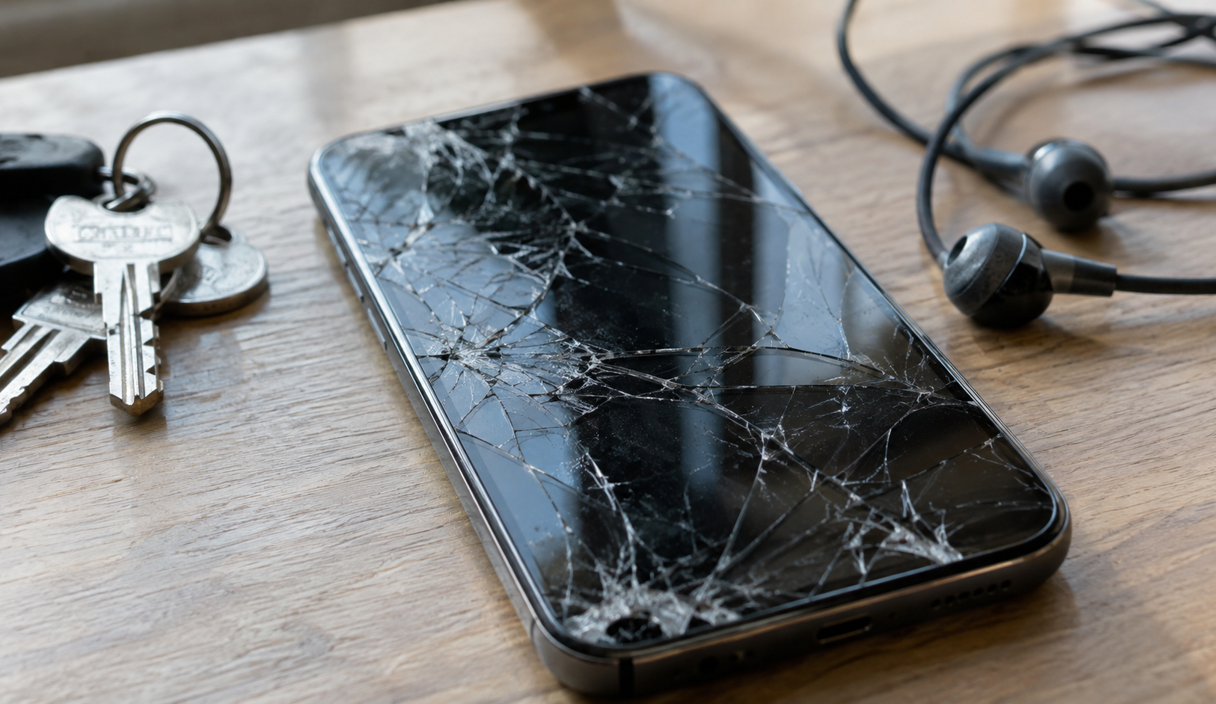
What is phone insurance?
Phone insurance is a protection plan for a mobile device. Depending on the contract, it may arrange repair, replacement, or reimbursement after an eligible event. Some plans cover accidental damage, while others focus on loss, theft, malfunction, or a combination.
Phone insurance is not automatically the same as a manufacturer’s warranty. The Federal Trade Commission explains that warranties are promises about a product and that their terms can limit what the seller or manufacturer must do. A separate phone insurance plan has its own premium, deductible, claim rules, exclusions, and provider.
It is also not the same as a device payment plan. A carrier can continue billing installments even when a phone is lost, stolen, or broken, unless the contract says otherwise. Review each agreement separately so you know which payment remains and which service responds.
The useful comparison
Compare the cost of the plan plus the deductible with the cost of repairing or replacing the phone yourself. Then check whether the plan can actually replace your model, storage level, color, and accessories. A cheap plan can still be a poor fit if its exclusions are broad.
What phone insurance may cover
Plans vary, but possible covered events include a cracked screen, liquid damage, accidental damage, theft, loss, and mechanical or electrical failure after a warranty period. Some plans cover one event but not another. Do not infer loss coverage from the word “protection.” Find the exact covered events in the certificate or terms.
Replacement may mean a new device, a refurbished device, or a device with comparable features. The contract may allow the provider to choose the model. Ask what “like kind and quality” means in practice and whether the provider can substitute a different brand or storage size.
Repair can involve an authorized center, a mail-in process, or a replacement shipment. Ask whether a repair affects water resistance, biometric features, or manufacturer support. The answer depends on the provider and the device, not on a general label.
Carrier, retailer, and manufacturer plans
A carrier plan may be linked to a phone line and account. A retailer plan may be linked to the purchase. A manufacturer plan may use its own service network. The manufacturer repair information for a device is different from the coverage terms of any carrier or third-party plan. Use the provider’s current written terms.
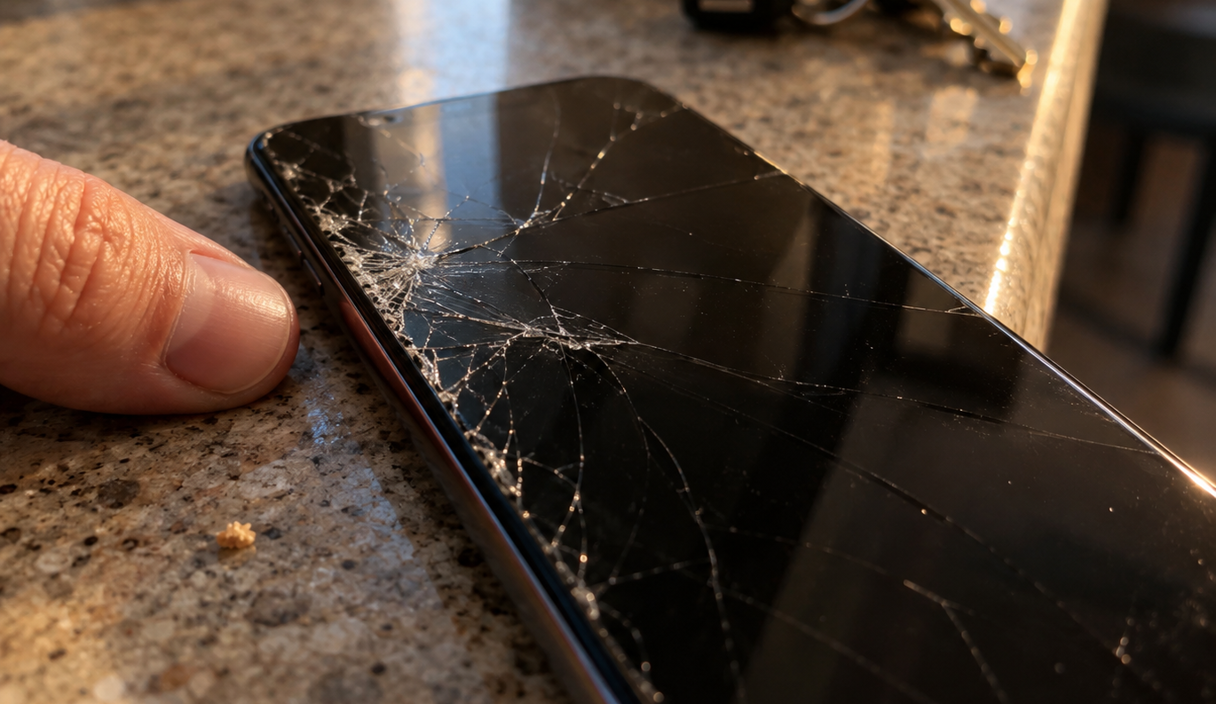
What may already cover the phone before you buy a plan
Before comparing plans, find out what you already have. Four things commonly overlap with phone insurance, and three of them cost nothing extra.
The manufacturer warranty is the first, and it is narrower than people expect. It addresses defects in materials and workmanship for a stated period, so a part that fails on its own is the kind of thing it covers, while a drop, a crack, or a liquid event usually is not. That gap is what a protection plan is selling. The FTC guidance on extended warranties and service contracts adds two questions worth repeating here: what the hidden costs are, such as deductibles and a fee each time the product is serviced, and which company is actually responsible for the coverage, since it is often not the manufacturer.
A homeowners or renters policy is the second. Personal property coverage can apply to a phone, but the deductible is usually larger than a phone plan deductible, and filing a small claim on a property policy has its own consequences. Read the policy you already pay for before assuming either way: our guides to renters insurance and homeowners insurance explain where personal property sits.
A credit card benefit is the third. Some card agreements include cell phone protection when the monthly phone bill is paid with that card, with its own claim limit, deductible, exclusions, and claim deadline. It is described in the card guide to benefits rather than on the marketing page, so ask the issuer for that document instead of assuming a premium card includes it.
The carrier is the fourth, and it is only a partial answer. A carrier can suspend service, protect the account, and block a stolen handset, and the Federal Communications Commission describes those steps. None of that replaces the device, and none of it stops the installments on a device payment plan.
Premiums, deductibles, and claim limits
The premium is the recurring amount paid to keep the plan active. A deductible is the amount you may pay when an eligible claim is approved. A plan with a low premium may have a high deductible, a limited number of claims, or a lower replacement value. Add the amounts together before deciding.
Some plans use different deductibles for screen repair, other damage, loss, and theft. Others limit the number of claims in a period or charge different prices for different phone tiers. Ask for the full schedule, including taxes and service fees.
Check the waiting period and enrollment window. A plan may require enrollment soon after purchase or activation and may not accept a device with existing damage. Do not damage a device intentionally or misrepresent its condition. False information can lead to a denied claim or cancellation.
Ask whether premiums continue after a replacement, whether a replacement starts a new contract, and whether the plan can be canceled and refunded. Keep the receipt, plan number, device model, IMEI, and claim documents in a safe place.
Common exclusions and limits
Common limits may include intentional damage, cosmetic damage that does not affect function, lost accessories, unauthorized repairs, damage caused by modification, failure to follow security requirements, and an event that occurred before enrollment. The exact list differs by contract.
Some plans exclude a phone left in an unattended vehicle, a phone loaned to another person, or a loss that cannot be documented. Some require a police report for theft. Ask what “theft” and “loss” mean under the plan and what evidence is required.
Water resistance does not mean a phone is insured against every liquid event. The manufacturer may publish care guidance, while an insurer may use a separate definition of accidental damage. Keep the device away from avoidable risks and read the exclusions instead of relying on marketing language.
Accounts and data are another issue. Phone insurance may replace hardware, but it does not automatically recover photos, messages, authentication codes, or an account. Use the backup and account-security tools recommended by the operating system and service providers. The Federal Trade Commission recommends a screen lock with a passcode of at least six digits, keeping the operating system and apps updated, backing up regularly, and turning on the platform feature that can locate, lock, or erase a device.
What to do if your phone is lost or stolen
- Use the device locator. Apple, Google, and other platforms provide account tools for locating, locking, or erasing a device. Use the official support page for your platform.
- Contact the carrier. Ask the carrier to suspend service and protect the account. The Federal Communications Commission explains steps consumers can take after a stolen cell phone, including contacting the provider.
- Change important passwords. Prioritize email, financial, cloud, and messaging accounts. Review active sessions and remove devices you do not recognize.
- Report theft when required. Ask the insurer or carrier whether a report is necessary. Keep the report number and a copy when available.
- File the insurance claim. Use the official claim channel, not a link sent by an unknown person. Provide truthful details and keep the claim number.
If an unknown person contacts you claiming to have found your phone, do not send a passcode or payment. Use official account recovery and carrier channels. A replacement claim does not require giving a stranger access to your accounts.
How to compare phone insurance
- Write down the phone’s current replacement price and age.
- Calculate twelve months of premiums plus the deductible for the most likely claim.
- Confirm whether loss, theft, accidental damage, and malfunction are each covered.
- Read replacement, repair, claim-count, waiting-period, and cancellation rules.
- Check who provides the service and how complaints are handled. Your state insurance department may be relevant if the product is insurance, while a service contract can follow different rules.
- Check alternatives, including a warranty, credit-card benefit, renters or homeowners policy, emergency savings, and the manufacturer’s repair program. Do not assume another policy covers the phone without reading it.
There is no universal answer to “is phone insurance worth it?” It can make sense for a costly device, a high likelihood of loss or damage, or a budget that cannot absorb a replacement. It may make less sense when the premium, deductible, exclusions, and claim limits approach the cost of replacing the device.
Phone insurance FAQ
Does phone insurance cover a cracked screen?
Some plans do, but others cover only certain damage or charge a specific screen-repair deductible. Read the covered-event and deductible sections.
Does phone insurance cover a lost phone?
Only if loss is listed as a covered event. Theft and loss may have different definitions, evidence requirements, and deductibles.
Will insurance replace my phone with a new one?
Not necessarily. A contract may permit a refurbished or comparable device and may let the provider choose the replacement model.
Can I insure an old phone?
Enrollment rules vary. A provider may limit eligibility by purchase date, device condition, line, or enrollment window.
Is phone insurance the same as a warranty?
No. A warranty and an insurance or service plan have different promises and terms. Read both documents.
Keep reading

Travel Insurance: Coverage, Cost, Exclusions, and When It Is Worth It
How travel insurance handles cancellation, medical care, baggage, assistance, exclusions, and claims.
6 min readRead

Pet Insurance: How It Works, What It Covers, and Is It Worth It?
Plans, exclusions, waiting periods, deductibles, reimbursement, and the questions to ask before enrolling.
6 min readRead

Identity Theft Insurance: What It Covers, What It Does Not, and Is It Worth It?
What these plans may reimburse, what monitoring cannot do, and how recovery actually works.
5 min readRead