17 Scams Happening in 2026 and How to Spot Each One
The scams on this list look very different from each other, but almost all of them end the same way: a rushed payment, a code read back to a stranger, or a document handed to someone who is not who they say. For each one you will see how the story usually arrives and which detail gives it away before you pay.

How big the problem is in 2026
Americans reported losing more money to fraud in 2025 than in any year before it, and the reports keep coming in 2026. The Federal Trade Commission told Congress in March 2026 that it received 3 million fraud reports in 2025, with $15.9 billion in reported losses, up from 2.6 million reports and just over $12 billion the year before.
Impostor scams, where someone pretends to be a bank, a company, the government or a relative, were the most reported type, as they have been every year since 2020, with more than 1 million reports and more than $3.5 billion lost. Investment scams caused the largest losses, at $7.9 billion. The FBI’s 2025 Internet Crime Report, released in April 2026, counted 1,008,597 complaints and nearly $21 billion in losses, and said people over 60 reported about $7.7 billion of that.
Both numbers count only what people reported, so the real total is higher. The list below uses those reports and the warnings that the FTC, the FBI, the CFPB and other federal offices published in 2025 and 2026. Each item ends with the detail that usually gives the scam away before any money moves.
Scams when you buy or sell something
1. The online store that does not exist
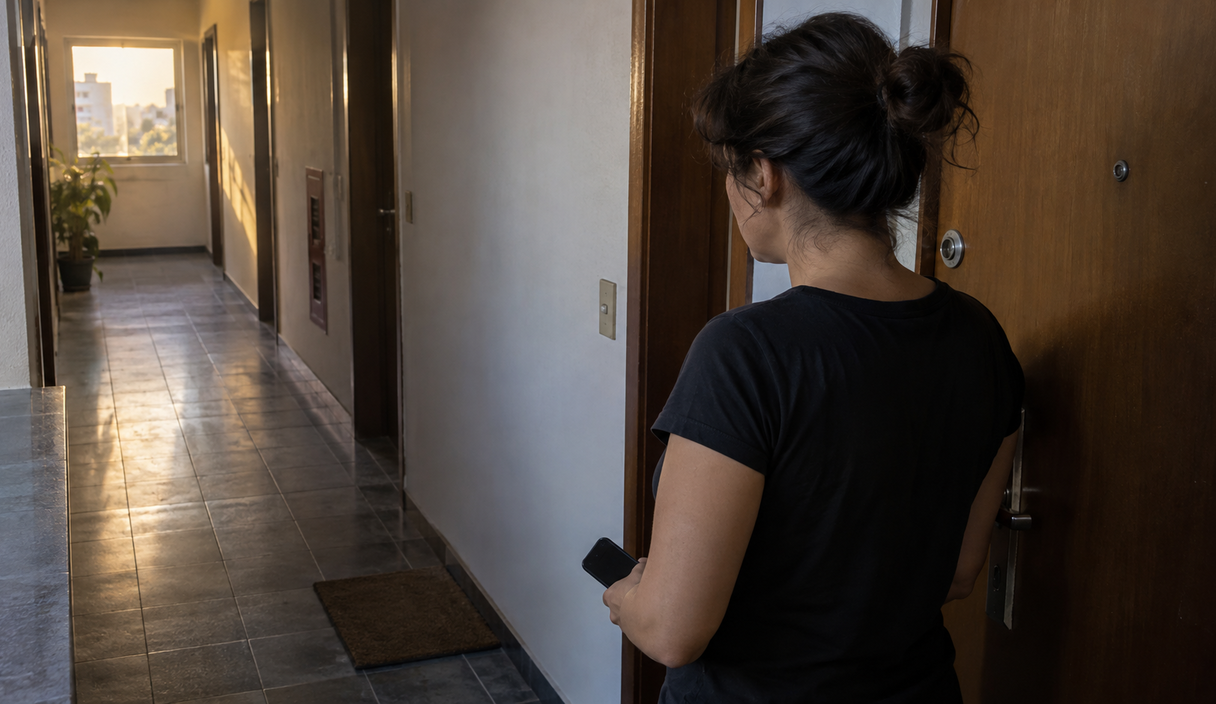
Shopping scams were the most reported scam that started on social media in 2025, according to an FTC data spotlight from April 2026. The ad offers an expensive item for a low price and leads to a site that imitates a known brand. Most people who reported it said the item never arrived. In September 2026 the FTC also warned about cloned car dealership websites, built with copied logos, listings and fake testimonials, that take a payment up front for a car that does not exist. The FBI counted 56,478 complaints of paying for something that never came in its 2025 report, with $503 million lost.
How to spot it: a price far below every other seller is the first sign. Before paying, read the web address letter by letter, search the store name with the words “scam” or “complaint,” and prefer a credit card, which usually leaves you more room to dispute the charge if nothing arrives. More warning signs are in our guide to online shopping scams.
2. The QR code that sends you somewhere else
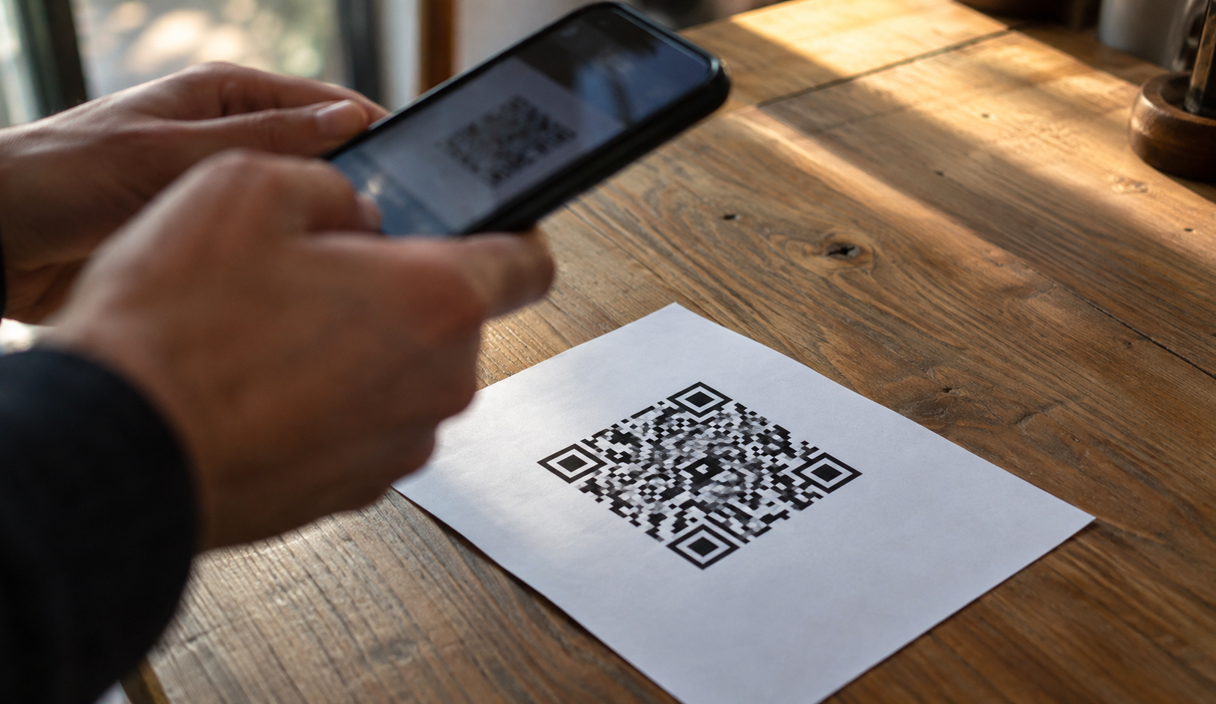
In September 2026 the FTC warned that people have found fake QR codes stuck over the real ones on parking meters. Scanning the fake code opens a payment page made to steal card details. A related version arrives in the mail: an unexpected package with a QR code that promises to reveal who sent the gift and leads to a page that asks for passwords or card numbers.
How to spot it: most phone cameras show the link before opening it. If the address has a misspelling, extra words, or no connection to the city or company, do not open it. For parking, pay through the city’s official app or website, which you look up yourself. More on this in QR code scams.
3. New payment instructions right before you pay a big bill
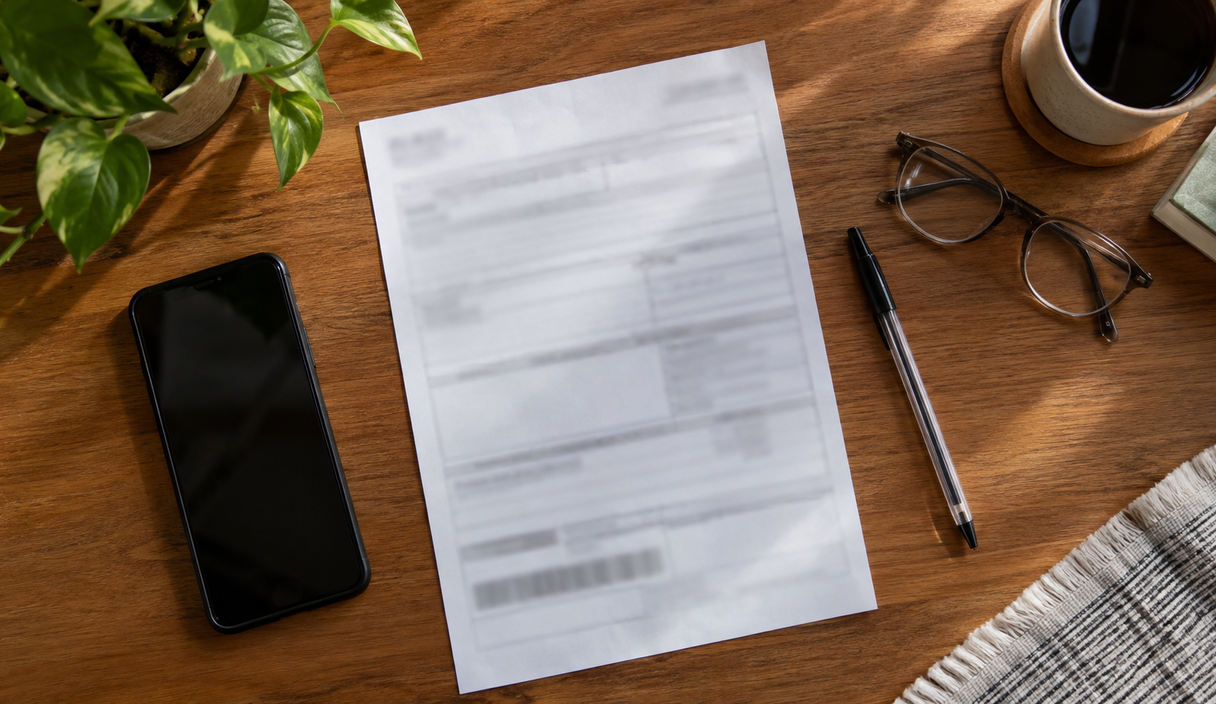
The Consumer Financial Protection Bureau warns that scammers target homebuyers days before closing. They break into or imitate the email of the real estate agent, the settlement company or the lawyer, and send fake wire instructions with the right amount and the right names. Only the bank account changes. The FBI’s 2025 report groups schemes that take over or imitate an email account to redirect a payment under business email compromise, which cost $3.05 billion that year.
How to spot it: any email that changes where the money goes. Call the person at a phone number you already had before the email arrived, and confirm the account name and number out loud. Never use the phone number written in the message that brought the new instructions.
4. The check for more than you asked, and a request to send back the difference

You are selling something, or you took a small job, and the buyer sends a check for more than the price. Then comes a polite request to send the extra back by wire, gift card or payment app. The FTC explains that the money may show up in your account even when the check is fake, and that a fake check can take weeks to be discovered. By then the money you sent is gone, and the bank asks you to cover the check. The FBI’s 2025 report lists 2,194 overpayment complaints and $22.9 million lost.
How to spot it: a buyer who pays more than the price and asks for change is the whole scam. The FTC’s advice is not to rely on money from a check unless you know and trust the person who sent it, and never to use that money to send gift cards, wires or cryptocurrency to anyone.
Someone pretending to be your bank, a company or the government
5. The call from your bank’s “fraud department”

The FTC says some of the costliest impostor scams start with a fake security alert, often from a bank, and that people are convinced to move money to “protect” it. In 2025 people reported losing nearly $1 billion to business impostors, with bank impostors causing the highest losses. The caller knows your name, sometimes part of your card number, and offers help: block a charge, confirm a code, or move your savings to a “safe” account.
How to spot it: no real bank asks you to move money to protect it, and no safe account exists outside your own. Hang up and call the number printed on the back of your card, not the number that called you or the one the caller gave you.
6. The fake tech support that takes over your computer or phone

The FBI calls it the Phantom Hacker scam. It starts with a pop-up, a text or a call about a virus or a hacked account. The fake support agent asks you to install a program that gives them remote access, then “finds” a problem in your bank account and passes you to a fake bank employee, and sometimes to a fake government official, who tells you to move your money. Tech and customer support scams cost $2.13 billion in 2025, according to the FBI’s annual report.
How to spot it: real support does not call you first and does not ask you to install a program sent by message. If someone already has remote access, turn off the internet connection on that device and call your bank from a different phone.
7. The courier sent to your door to collect cash
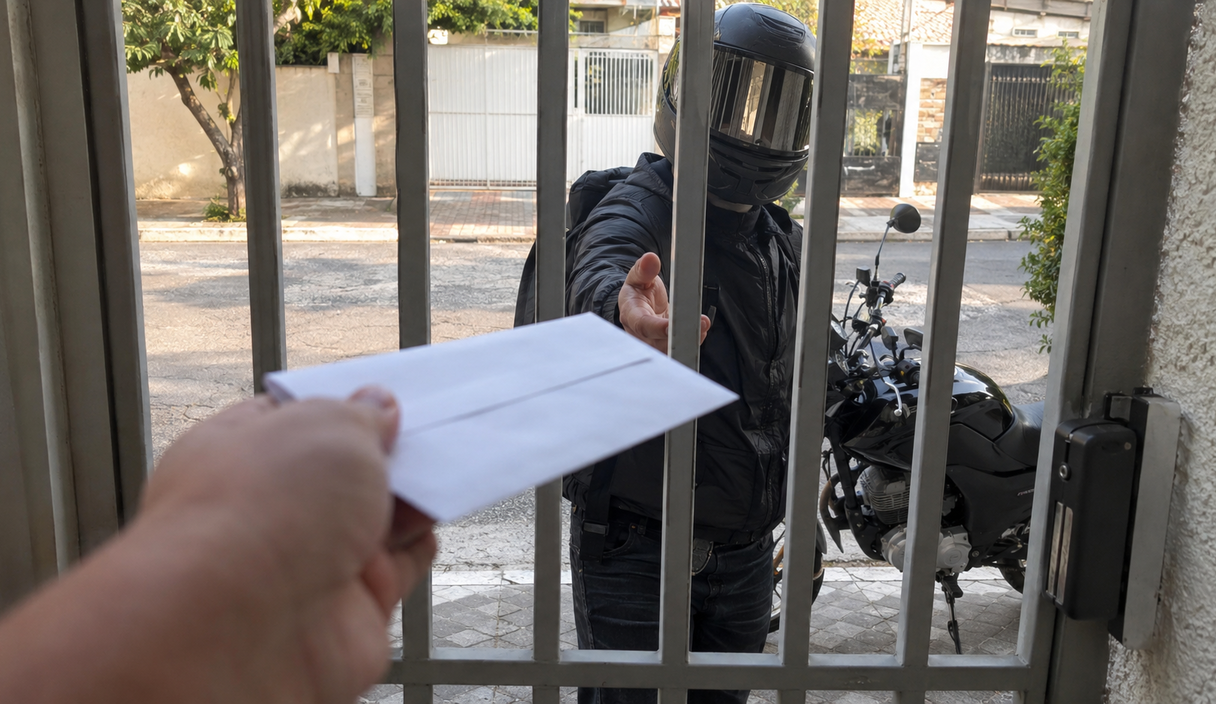
In June 2026 the FBI warned that scammers, usually targeting older adults, send couriers to people’s homes to pick up cash after convincing them the money needs protection or must pay a fee. The courier may show a dollar bill with a serial number or say a password to prove they were sent. The FBI says this cash pickup appears in fake investment, grandparent, law enforcement and tech support scams.
How to spot it: no bank, government agency or investment firm sends a stranger to your house to pick up cash or gold. If someone asks you to withdraw cash and hand it to a courier, treat the request as a scam and call your bank at the number you already know.
8. The text about an unpaid toll or a package

The FTC warned that scammers pretend to be tolling agencies “from coast to coast,” texting a small amount due and a link to pay. The link leads to a page that asks for card details and sometimes your driver’s license number. Phishing and spoofing, the category for fake messages and fake sites, was the most reported crime in the FBI’s 2025 report, with 191,561 complaints. The same kind of text also claims a package is stuck until you pay a fee. More on how these texts work is in what smishing is.
How to spot it: do not use the link. Look up the tolling agency or the carrier yourself and check your account there. Forward the text to 7726 (SPAM), as the FTC suggests, and delete it.
9. The call about a warrant, a missed jury duty or an expired license

In September 2026 the FBI said it received nearly 61,000 complaints of law enforcement or government impersonation between January 2025 and July 2026, with more than $1.6 billion lost. The caller says you are connected to a crime, missed jury duty, or have a license about to expire, and that a payment will fix it. Scammers fake real phone numbers and names, keep you on the line and tell you not to talk to anyone.
How to spot it: the FBI says law enforcement and government agencies never call or text to demand payment, and never ask for gift cards, cryptocurrency or a courier. Hang up and look up the agency’s number yourself. Our guide to impostor scams covers the other versions.
Someone you know, or someone who says they can help
10. The relative in trouble who needs money now

A call or message arrives from someone who sounds like a grandchild, a son or a close friend. They were in an accident, got arrested or lost their phone, and they need money quickly and quietly. The FTC explains that the scammer may already know names and details taken from social media, and counts on you paying before you check.
How to spot it: the request for secrecy. Hang up and call the person at the number you already have saved, or call another relative, even if the caller asked you not to. Our guide on grandparent scams has a script for that call.
11. A voice that sounds exactly like someone you love

The FTC warns that a scammer only needs a short clip of someone’s voice, which can come from a video posted online, to make a voice-cloning program speak like that person. For the first time, the FBI’s 2025 report had a section on artificial intelligence: 22,364 complaints and nearly $893 million lost, in scams that used voice clones, fake profiles and fake videos.
How to spot it: a familiar voice is no longer proof. Agree on a question or a word that only your family knows, and treat any urgent request for money by phone as unconfirmed until you call back on a number you know.
12. The law firm that offers to get your money back

This one reaches people who already lost money. In August 2025 the FBI updated its warning about fictitious law firms that contact scam victims, claim to work with government agencies and ask for fees to recover the lost money. They sometimes know the exact amounts and dates of the earlier transfers, which makes them hard to doubt. The FBI notes that no law firm is an official partner of a US government agency.
How to spot it: any fee paid in advance to recover money. The FTC says that anyone who promises to get your money back if you pay first is running another scam. Ask for the lawyer’s license and check it with your state bar yourself.
Promises of money
13. The investment that only goes up
Investment scams caused the largest losses in both federal counts: $7.9 billion reported to the FTC and $8.6 billion reported to the FBI in 2025. They often start with an ad, a group chat, a wrong-number text that turns into a friendship, or a profile that imitates a known investor. The platform shows your balance rising, you are encouraged to add more, and withdrawing brings a new tax or fee every time. The FTC found that more than half of the losses to scams that started on social media came from investment scams.
How to spot it: guaranteed returns and a fee to take out your own money. Look up the person or firm on FINRA BrokerCheck before sending anything, and never let someone you only know online direct your investments. Our guide to investment scams goes further.
14. The letter that says you won

A letter, email or call says you won a sweepstakes, a lottery or a car. To collect, you need to pay taxes, shipping or a processing fee, or give a bank account number. The FTC’s rule of thumb is simple: real prizes are free. Scammers also invent official-sounding names or pretend to be the FTC. The FBI’s 2025 report lists 5,623 lottery, sweepstakes and inheritance complaints and $194 million lost.
How to spot it: any payment or account number requested to release a prize. If the letter uses the name of a real company, the company is not behind it: look up its contact information yourself and ask.
Your card, your documents and your benefits
15. The card reader that copies your card
The Secret Service describes skimming as criminals installing hidden devices that record card information at ATMs and payment terminals. The purchase goes through normally, and the copied data is used later. A second device, often a small camera or a keypad overlay, records the PIN.
How to spot it: a card reader that moves when you pull it, a keypad that feels thick, or a broken seal on a fuel pump. Tap or insert the chip instead of swiping, and cover the keypad when typing the PIN. The full check is in our card skimming guide.
16. The job that asks for your ID and bank details before you start
The FBI has warned that scammers post fake job openings, run fake interviews and then ask for a copy of the driver’s license, the Social Security number, direct deposit information and sometimes a fee for training or equipment. The FTC adds that personal details handed over “for payroll” can turn into identity theft. Employment scams drew 24,688 complaints and $363 million in losses in the FBI’s 2025 report.
How to spot it: a job offered after a short chat, with no real interview, that asks for documents or money right away. Find the company’s own careers page yourself and confirm the opening there. More in job scams.
17. Medical equipment billed in your name that you never got
In August 2026 the HHS Office of Inspector General described schemes where suppliers bill Medicare for equipment people never received, sometimes using stolen Medicare numbers, and others where telemarketers offer “free” supplies to get the number. The charge shows up only on the statement, so it is easy to miss.
How to spot it: compare your Medicare Summary Notice with what you actually received. Medicare says it will never call to sell you anything or visit your home. If you see a charge you do not recognize, call 1-800-MEDICARE (1-800-633-4227).
What almost all of them have in common
The seventeen start in different ways, but most have a few things in common: a story with a deadline, a contact that came to you without you looking for it, and a request for money, a code or a document.
- The rush. An account about to be frozen, a warrant, a deal that ends today. The deadline exists to take away the time you would use to check.
- The contact that came to you. The link, the phone number and the app sent in the conversation were chosen by the scammer. When you find the official channel on your own, most of these stories fall apart.
- The payment method. Gift cards, cryptocurrency, wire transfers, cash handed to a courier. These are hard to reverse, which is why they are asked for.
- The code sent by text. It exists to prove you are you. Anyone who asks you to read it back is asking for the account.
For a closer look at five of these situations, see the most common online scams, and for the habits that help before you click or pay, see how to avoid getting scammed.
If you already paid
Contact the bank, card company or app you used to pay as soon as you notice, the same day if you can, and ask them to stop or reverse the payment. The FTC says the money may already be gone, but it is always worth asking.
- Call your bank or the payment company first. Use the number on your card or in the official app. Tell them it was a scam and ask them to reverse the payment.
- Cut off access. If you gave remote access, disconnect the device from the internet. If you shared a password or code, change the password from another device.
- Report it. File at ReportFraud.ftc.gov and at the FBI’s IC3.gov. If your personal information was used, go to IdentityTheft.gov for a recovery plan. People 60 and older can call the Department of Justice Elder Justice Hotline at 1-833-372-8311 for help filing.
- Watch for the second scam. Anyone who contacts you offering to recover the money for a fee is likely the same kind of scammer as item 12.
What decides whether money comes back
The federal protections the CFPB describes for debit cards and electronic transfers are written for charges or withdrawals you did not make or allow. When you sent the payment yourself because of a lie, getting it back often depends on the bank’s or the app’s own decision, which is why reporting quickly matters. Credit card payments usually give you more room to dispute.
Where to report each case, and in what order, is in how to report a scam. For a bank transfer or payment app, see what to do after an instant payment scam.
One last thing that applies to every item on this list: the blame for a scam always belongs to the person running it. These stories are built to work, and many of them fool careful, experienced people.
Sources
The scams, numbers and warnings in this article were checked on September 24, 2026, on these pages:
- FTC: testimony before the Joint Economic Committee, March 25, 2026, with the 2025 fraud report totals
- FTC: people reported losing $3.5 billion to impostor scams in 2025, June 15, 2026
- FBI: 2025 Internet Crime Report press release, April 6, 2026
- FBI IC3: 2025 Internet Crime Report, complaints and losses by crime type
- FTC: how to spot the top scams that started on social media, April 27, 2026
- FTC: scammers are spoofing car dealership websites, September 1, 2026
- FTC: see a QR code parked somewhere? Don’t scan it yet, September 3, 2026
- FTC: QR code on an unexpected package, January 23, 2025
- CFPB: beware of mortgage closing scams, updated June 2026
- CFPB: mortgage closing scams, how to protect your closing funds
- FTC: how to spot, avoid and report fake check scams
- FBI IC3: Phantom Hacker scams, September 29, 2023
- FBI IC3: scammers use couriers to collect cash, June 15, 2026
- FTC: got a text about unpaid tolls? It’s probably a scam, January 17, 2025
- FBI IC3: scammers impersonating law enforcement and government officials, September 17, 2026
- FTC: scammers use fake emergencies to steal your money
- FTC: scammers use AI to enhance their family emergency schemes, March 20, 2023
- FBI IC3: fictitious law firms targeting scam victims, August 13, 2025
- FTC: refund and recovery scams
- FTC: fake prize, sweepstakes and lottery scams
- U.S. Secret Service: ATM and point-of-sale skimming
- FBI IC3: fake job listings target applicants’ personal information, January 21, 2020
- FTC: job scams
- HHS OIG: durable medical equipment fraud, updated August 20, 2026
- Medicare: reporting Medicare fraud and abuse
- FTC: what to do if you were scammed
- CFPB: getting money back after an unauthorized transaction, reviewed August 28, 2026
Frequently asked questions
What is the most common scam in the US right now?
Impostor scams, where someone pretends to be a bank, a company, a government agency or a relative, were the most reported fraud to the FTC in 2025, with more than 1 million reports. Investment scams caused the largest losses, $7.9 billion reported to the FTC that year.
Did scams increase in 2025?
Reported losses did. The FTC received 3 million fraud reports with $15.9 billion lost in 2025, up from just over $12 billion in 2024, and the FBI counted nearly $21 billion in losses in its 2025 report. These figures only include what people reported.
How can I tell if a call from my bank is real?
Do not decide based on the call. Hang up, then call the number printed on the back of your card or open the bank’s official app yourself. A real bank will not ask you to move money to a safe account, read back a code or hand your card or cash to a courier.
I got a call in a relative’s voice asking for money. What should I do?
End the call and phone the person at the number you already have saved, or call another family member. Voice-cloning programs can copy a voice from a short clip, so a familiar voice is not proof. A question only your family can answer helps in these calls.
Where do I report a scam in the US?
Report it to the FTC at ReportFraud.ftc.gov and to the FBI at IC3.gov. If someone used your personal information, go to IdentityTheft.gov. Also tell the bank, card company or app you used to pay, as soon as possible.
How do I protect older parents from these scams?
Agree on a simple family rule: no urgent payment requested by phone, text or email happens until someone confirms it through another channel. Checking statements together, including the Medicare Summary Notice, and saving the bank’s real number in their phone also help.
Keep reading

How to Report a Scam and Try to Recover Your Money
Where to report, in what order, what each agency does with the report, and what recovery realistically looks like.
7 min readRead

Impostor Scams: Government, Business, and Family Impersonation Explained
One mechanism behind many scams: someone you trust, a problem invented, and a payment that cannot be undone.
7 min readRead

The Most Common Online Scams: Five Situations and What to Do
Fake bank, fake family emergency, fake delivery fee, fake support, fake prize. Five stories, one request underneath.
12 min readRead